


How is allergic rhinitis treated?
Aug 18, 2026
Source: Cainiu Health

Dr. Lu Cheng
Introduction
Allergic rhinitis can be managed through various approaches, including allergen avoidance, nasal irrigation, symptomatic pharmacotherapy, allergen-specific immunotherapy (desensitization), and surgical adjunctive treatment. Treatment strategies vary depending on disease severity; if sneezing and nasal congestion recur frequently, prompt medical consultation is advised.
1. Allergen Avoidance: Steer clear of common allergens such as pollen, house dust mites, and pet dander.
Allergic rhinitis can be managed through various approaches, including allergen avoidance, nasal irrigation, pharmacological symptomatic treatment, allergen-specific immunotherapy (desensitization), and surgical intervention. Treatment strategies vary depending on disease severity; therefore, prompt medical consultation is advised for recurrent sneezing and nasal congestion.
1. Allergen Avoidance: Minimize exposure to common allergens such as pollen, house dust mites, and pet dander. Maintain a clean home environment and frequently wash bedding. When outdoors, wear appropriate protective gear (e.g., masks) to reduce direct contact with allergens—this simple measure significantly lowers the risk of rhinitis flare-ups and serves as a foundational management strategy.
2. Nasal Irrigation: Use saline irrigation devices to remove allergens and secretions from the nasal cavity, thereby reducing mucosal congestion and edema. During irrigation, maintain gentle water pressure and perform the procedure regularly. This approach effectively alleviates symptoms such as nasal itching and congestion and is suitable as a long-term, daily adjunctive therapy.
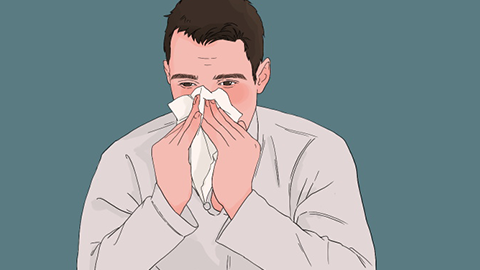
3. Pharmacological Symptomatic Treatment: Select appropriate medications based on individual symptoms to suppress allergic responses in the nasal mucosa and relieve manifestations such as sneezing and watery rhinorrhea. Avoid prolonged, unsupervised self-medication; instead, follow guidance from qualified healthcare professionals, monitor bodily responses closely, and adjust treatment regimens as needed.
4. Allergen-Specific Immunotherapy (Desensitization): This therapy gradually enhances the body’s tolerance to specific, identified allergens and is particularly suitable for patients with clearly defined sensitivities. As it requires a relatively long treatment course, consistent adherence to the prescribed protocol is essential to reduce both the frequency and severity of future allergic rhinitis episodes.
5. Surgical Intervention: Surgery is typically reserved for patients who fail to respond adequately to conservative treatments and present with concomitant turbinate hypertrophy. While surgery cannot eliminate underlying allergic predisposition, it primarily aims to improve nasal airflow. Preoperative evaluation—including comprehensive diagnostic assessments—is mandatory, and diligent daily preventive measures remain crucial postoperatively.
During seasonal transitions, wear masks when outdoors to minimize direct nasal exposure to cold air, and engage in regular, moderate physical exercise to strengthen overall health. Ensure adequate indoor ventilation and maintain a dry, clean living environment to reduce factors that may trigger rhinitis exacerbations.



