


How to Stop a Nosebleed
Aug 18, 2026
Source: Cainiu Health

Dr. Lu Cheng
Introduction
Nosebleeds can be managed by leaning forward and lowering the head, applying pressure to the nostrils, using local cold compresses, packing the nostrils with cotton balls for compression, and avoiding incorrect maneuvers. Improper techniques may worsen bleeding; therefore, seek prompt medical attention if nosebleeds occur frequently or are difficult to control.
Nosebleeds (epistaxis) can be managed by leaning forward with the head lowered, applying pressure to the nostrils, using local cold compresses, packing the nostril with cotton balls, and avoiding incorrect maneuvers. Improper handling may worsen bleeding; if nosebleeds occur frequently or are difficult to control, seek medical attention promptly.
1. Lean forward with head lowered: When a nosebleed occurs, bend your upper body forward and tilt your head slightly downward—do not tilt your head backward. Tilting the head back allows blood to flow backward into the pharynx, potentially causing choking, coughing, or nausea. Keeping the head lowered enables blood to drain outward through the nostrils, minimizing additional risks.
2. Apply pressure to the nasal wings: Use your fingers to firmly pinch the soft, fleshy parts of both nasal wings for several minutes. Avoid repeatedly releasing pressure to check for bleeding. Breathe through your mouth during compression to maintain consistent pressure, which helps close ruptured blood vessels. Most minor nosebleeds can be effectively controlled this way.
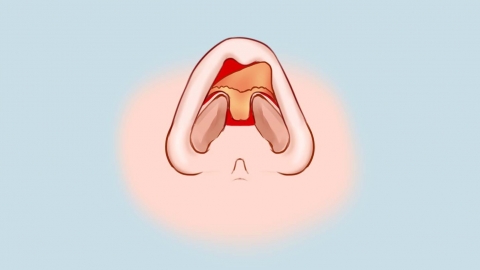
3. Apply local cold compress: Place a cool (not ice-cold) towel over the bridge of the nose or the nape of the neck. Cold temperatures cause nasal blood vessels to constrict, thereby reducing blood loss. The temperature should be comfortably cool—not excessively cold—and this method is best used in conjunction with nasal compression to enhance hemostatic efficacy.
4. Cotton ball nasal packing: Gently insert a clean, sterile cotton ball into the bleeding nostril, then combine it with external compression of the nasal wings. Do not pack the cotton too deeply or tightly. After bleeding stops, avoid forcibly removing the cotton ball immediately; wait until clot formation is stable, then withdraw it slowly to prevent re-injury to the wound surface.
5. Avoid incorrect maneuvers: Do not tilt your head backward to stop bleeding; do not insert wadded paper or other objects haphazardly into the nasal cavity; and do not blow your nose forcefully during active bleeding. These actions may disrupt newly formed clots, leading to recurrent bleeding and further damage to the nasal mucosa.
In daily life, maintain appropriate indoor humidity, avoid frequent nose-picking, and moisturize the nasal passages when dry. Drink adequate fluids, limit intake of spicy or heat-inducing foods, and help prevent nasal mucosal dryness and cracking—thereby reducing the likelihood of nosebleeds.


