


When Should You Use an Early Pregnancy Test Strip?
Aug 19, 2026
Source: Cainiu Health

Dr. Zhang Lu
Introduction
Early pregnancy test strips are recommended for use three to seven days after a missed period. Testing too early may yield false-negative results due to insufficient hormone concentration in the body. First-morning urine is preferred for testing, as it provides more reliable results. If the test strip yields an indeterminate or suspicious result, prompt medical consultation is necessary to confirm pregnancy status. Early pregnancy test strips detect human chorionic gonadotropin (hCG) in urine.
Early pregnancy test strips are recommended for use three to seven days after a missed menstrual period. Testing too early may yield false-negative results due to insufficient hormone concentration in the body. Morning urine is preferred for testing, as it provides more reliable results. If the test yields an ambiguous result, prompt medical consultation is necessary to confirm pregnancy status.
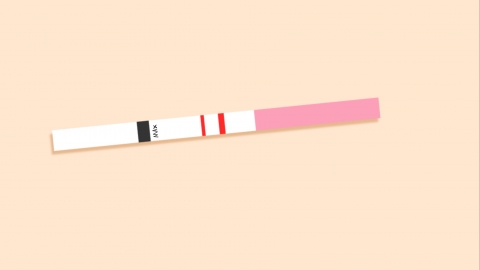
Early pregnancy test strips detect human chorionic gonadotropin (hCG) in urine to determine whether pregnancy has occurred. This hormone is only secreted after the fertilized egg has implanted in the uterine lining. If testing occurs too soon after intercourse, hCG levels may be too low for the strip to detect reliably. Women with longer-than-average menstrual cycles should delay testing accordingly to avoid inaccurate interpretations.
Morning urine is optimal for testing, as overnight concentration increases hCG levels in the urine. Excessive fluid intake prior to testing can dilute urine and potentially lead to inaccurate results. Early pregnancy test strips serve only as an initial screening tool and carry risks of both false-positive and false-negative outcomes. To definitively confirm intrauterine pregnancy, test strip results alone are insufficient; additional diagnostic evaluations must be integrated for comprehensive assessment.
Prior to testing, avoid drinking large amounts of water, carefully read the product’s instructions for use, strictly adhere to the recommended time window for result interpretation, maintain regular daily routines, remain calm and relaxed, and refrain from self-diagnosing pregnancy based solely on subjective physical sensations.



