


Is hand, foot, and mouth disease serious?
Aug 21, 2026
Source: Cainiu Health

Dr. Zhou Xiaofeng
Introduction
Hand-foot-and-mouth disease (HFMD) is typically a mild, self-limiting illness with an excellent prognosis. However, a small number of children may progress to severe disease involving the nervous system and cardiopulmonary function. Children exhibiting persistent high fever or lethargy require prompt medical evaluation and management.
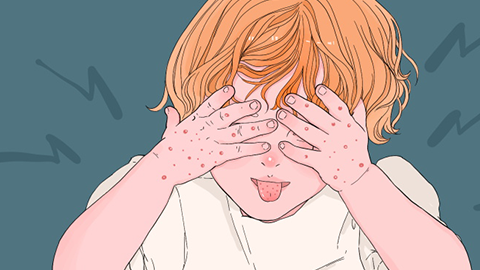
HFMD is a common childhood infectious disease caused by enteroviruses, predominantly affecting young children. Mild cases typically present with vesicular rashes on the hands, feet, and oral mucosa, low-grade fever, and decreased appetite. Clinical management is primarily supportive—fever control, fluid replacement, and oral care help alleviate symptoms. Most affected children recover spontaneously within approximately one week without residual physical sequelae.
In a minority of cases, disease progression may be rapid due to factors such as viral strain virulence and the child’s underlying immune status. These children may develop persistent high fever, vomiting, limb tremors, and other signs that can lead to life-threatening complications—including encephalitis and cardiopulmonary dysfunction. Early isolation and close monitoring, along with timely symptomatic intervention, are critical to halting disease progression, reducing the risk of severe illness, and promoting full recovery.
Routine preventive measures include maintaining good ventilation and cleanliness in the home environment; frequently washing children’s hands and disinfecting objects they frequently touch; providing light, easily digestible meals; ensuring adequate rest; and strengthening children’s natural immunity—all of which help reduce the risk of enteroviral infection and HFMD onset.






