


How is tinnitus treated?
Aug 24, 2026
Source: Cainiu Health

Dr. Lu Cheng
Introduction
Neuropathic tinnitus can be treated through various approaches, including daily lifestyle adjustments, physical therapies targeting the ear, oral medications for systemic regulation, sound masking therapy, and surgical intervention. This condition is commonly associated with inner ear nerve damage and fluctuations in sleep quality or emotional state. Since the severity of tinnitus varies among individuals, treatment plans should be selected based on each patient’s specific clinical circumstances.
Neuropathic tinnitus can be managed through various approaches, including daily lifestyle adjustments, physical therapies targeting the ear, oral medications for regulation, sound masking therapy, and surgical intervention. This condition is commonly associated with inner ear nerve damage and fluctuations in sleep quality or emotional state. The severity of tinnitus varies significantly among individuals; therefore, treatment plans must be tailored to each patient’s specific circumstances. If sudden, significant hearing loss, recurrent vertigo, or vomiting occur, prompt medical evaluation and treatment are essential.
1. Daily Lifestyle Adjustment: As a foundational intervention, daily lifestyle adjustment involves regulating sleep-wake cycles, avoiding chronic sleep deprivation, and minimizing exposure to high-decibel noise environments. Consumption of stimulants such as coffee and strong tea should be reduced. Emotional stress should be actively managed to alleviate mental tension. Stabilizing overall physiological status helps reduce abnormal hyperexcitability of the auditory nerve and thereby lessens the disruptive effects of tinnitus.
2. Physical Ear Therapy: Physical ear therapy—including auricular massage and use of specialized ear therapy devices—improves local microcirculation within the inner ear and relaxes surrounding nerves and muscles. It supports normal metabolic function of ear tissues and mitigates the perception of tinnitus caused by aberrant neural firing. Consistent, regular application of these therapies can relieve ear discomfort and subjectively diminish the perception of internal ear noises.
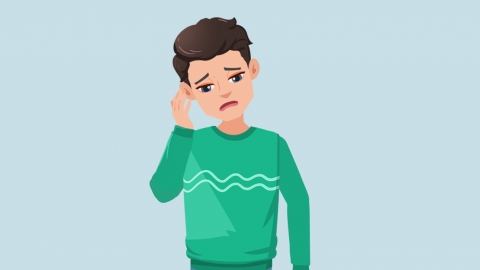
3. Oral Medications for Regulation: Following definitive diagnosis, patients should take prescribed regulatory medications under professional guidance. These medications aim to improve blood supply to the inner ear, nourish damaged auditory nerves, normalize neural metabolism, suppress neural hyperexcitability, and reduce tinnitus perception. During treatment, patients should monitor and document changes in their symptoms—particularly fluctuations in tinnitus intensity—and integrate medication use with concurrent lifestyle modifications to optimize recovery.
4. Sound Masking Therapy: Sound masking therapy employs low-volume, gentle background sounds to attenuate the brain’s perception of tinnitus signals. While this approach does not eliminate the underlying cause of tinnitus, it effectively reduces its interference with sleep and daily functioning. With long-term adherence, this therapy can alleviate the emotional burden associated with tinnitus and enhance overall quality of life.
5. Surgical Intervention: In rare cases where neuropathic tinnitus results from structural compressive lesions (e.g., vascular compression of the auditory nerve), conservative management may prove ineffective, warranting surgical intervention. Surgery aims to relieve pathological pressure on the auditory nerve, thereby decreasing abnormal neural signal transmission. Comprehensive preoperative evaluation is mandatory to confirm surgical candidacy, and postoperative follow-up—including audiological assessment and symptom monitoring—is critical.
In daily life, limit headphone usage duration, engage more frequently in outdoor activities to divert attention away from tinnitus, avoid excessive focus on internal ear sounds, maintain emotional equilibrium, and thereby minimize recurrence or exacerbation of tinnitus symptoms.




