How is dermatographism treated?
Sep 14, 2026
Source: Cainiu Health

Dr. Liu Wenmin
Introduction
Treatment for dermatographic urticaria includes daily protection, physical soothing measures, topical anti-itch medications, oral antihistamines, and desensitization therapy. Mechanical stimulation—such as rubbing or scratching—triggers the release of allergic mediators from the skin, leading to wheals and pruritus. A comprehensive, multimodal approach helps reduce cutaneous hypersensitivity and decrease disease flares.
If symptoms such as chest tightness, shortness of breath, or widespread angioedema occur, prompt medical evaluation and treatment at a hospital are strongly recommended.
Management of dermatographic urticaria includes daily prevention, physical soothing measures, topical anti-itch medications, oral antihistamines, and desensitization therapy. Friction or scratching of the skin triggers the release of allergic mediators, leading to wheals and pruritus. A comprehensive, multimodal approach helps reduce cutaneous hypersensitivity and decrease disease flares. If symptoms such as chest tightness, shortness of breath, or widespread swelling occur, prompt medical evaluation and treatment at a hospital are strongly recommended.
1. Daily Prevention: Minimize scratching, rubbing, or pressure on the skin. Wear loose-fitting, soft-textured clothing to avoid repeated mechanical irritation from tight fabrics. Maintain regular sleep patterns and avoid spicy or stimulating foods to lower overall bodily sensitivity and reduce wheal formation.
2. Physical Soothing: When pruritus and wheals develop, apply a cool, damp towel to the affected area to alleviate local hyperemia and relieve itching. Avoid hot-water bathing or scalding, as thermal stimulation may exacerbate vasodilation and cause lesion expansion.
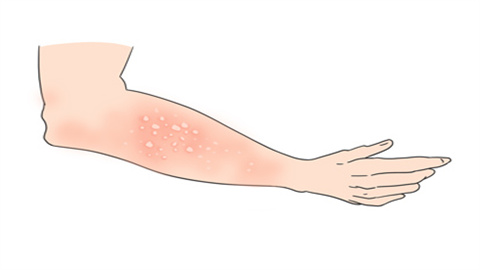
3. Topical Anti-Itch Medications: For pronounced pruritus, apply appropriate topical agents to affected areas to alleviate local discomfort and soothe allergic skin reactions. Apply gently—do not rub vigorously, as mechanical trauma may induce new dermatographic lesions.
4. Oral Antihistamines: In cases of frequent flares or extensive rash involvement, oral antihistamines may be prescribed under professional guidance to suppress the release of allergic mediators and reduce cutaneous hypersensitivity. Always follow medical instructions; long-term self-administration is not advised.
5. Desensitization Therapy: Individuals with recurrent disease may undergo individualized desensitization regimens following clinical assessment, aiming to gradually enhance skin tolerance and minimize allergic responses to external stimuli. This approach requires a prolonged course and ongoing monitoring of physiological responses to allow timely regimen adjustments.
Maintain a clean living environment to reduce exposure to house dust mites; use mild, non-irritating cleansers for bathing; control water temperature during showers; and manage emotional stress to lower neurogenic skin hypersensitivity and reduce the likelihood of dermatographic reactions.