


Treatment for Dermatographic Urticaria
Aug 24, 2022
Source: Cainiu Health

Dr. Liu Wan
Introduction
Urticaria factitia (dermatographism) can be treated with medication. Also known as artificial urticaria or dermatographic urticaria, this condition is primarily triggered by decreased immune function, compounded by allergic factors and individual constitutional predispositions. For treatment, oral immunomodulatory agents—such as thymopeptide enteric-coated tablets, transfer factor, and splenic aminopeptide—may be selected.
Urticaria symptoms are prominent and can significantly impact patients’ daily lives. Oral medications can be used to alleviate these symptoms, particularly in cases of dermatographic urticaria (also known as “skin writing” or “artificial urticaria”), which is primarily triggered by inflammatory skin trauma—resulting in widespread hives following minor scratching or pressure on the skin. So, what are the treatment options for dermatographic urticaria?
Treatment Options for Dermatographic Urticaria
Dermatographic urticaria can be effectively managed with pharmacotherapy. Also termed “artificial urticaria” or “dermatographism,” this condition is mainly associated with decreased immune function, compounded by allergic predisposition and individual constitutional factors. To treat dermatographic urticaria, patients may consider oral immunomodulatory agents—such as thymopentin enteric-coated tablets, transfer factor, or splenic aminopeptide—to enhance immune function. These may be combined with antihistamines, including cetirizine tablets, loratadine tablets, or azelastine hydrochloride tablets.
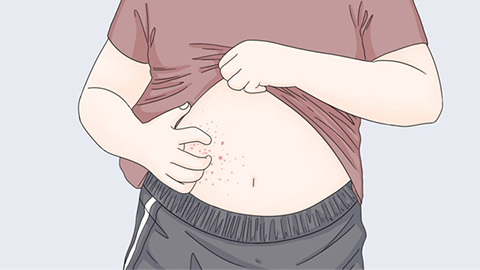
This combination therapy effectively suppresses mast cell activity within the body. When mast cells are inhibited, they do not undergo degranulation upon external stimulation—thereby preventing the onset of dermatographic urticaria. Additionally, regular physical exercise is recommended to improve the body’s tolerance to external stimuli and reduce symptom recurrence. Skin scratching itself is one potential trigger of urticaria and falls under the category of allergic reactions. Common allergens include medications, foods, clothing materials, pollen, and cosmetics.
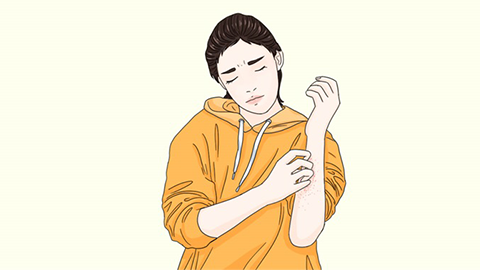
Patients are advised to maintain a cheerful mood and emotional well-being in daily life. We hope this information proves helpful to you.




