


Do Fractures Require Surgery?
Sep 24, 2026
Source: Cainiu Health

Dr. Chen Jian
Introduction
Not all fractures require surgical treatment; the treatment plan is determined based on the fracture’s location, degree of displacement, and stability. Stable, non-displaced fractures can be managed conservatively, whereas severely displaced fractures or those involving a joint necessitate surgical reduction and fixation. If deformity, severe swelling, or intense pain occurs following a fracture, prompt medical evaluation and appropriate treatment are essential.
Not all fractures require surgical treatment. The treatment plan is determined based on the fracture’s location, degree of displacement, and stability. Stable, non-displaced fractures can be managed conservatively, whereas severely displaced fractures or those involving a joint typically necessitate surgical reduction and fixation. Prompt medical evaluation and symptomatic treatment are essential if deformity, severe swelling, or intense pain develops following a fracture.
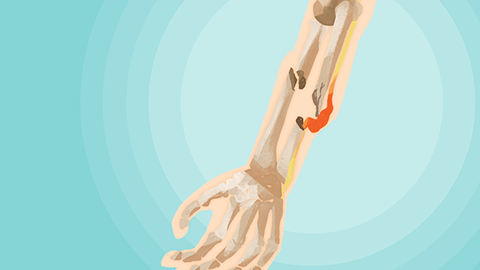
Most stable fractures feature clean, well-aligned fracture lines with no displacement of bone ends and only mild surrounding soft-tissue injury. Clinically, conservative management—such as immobilization with plaster casts or braces—is commonly employed, along with bed rest and medications to reduce swelling and relieve pain. Bone naturally forms callus tissue, gradually restoring structural continuity; subsequent rehabilitation exercises help restore normal limb function.
Unstable fractures involve displacement of bone fragments, comminution (bone fragmentation), or damage to the articular surface. Conservative treatment cannot achieve precise anatomical realignment, increasing the risk of malunion or impaired joint mobility. Surgically, internal fixation using plates and screws restores proper bone anatomy, ensures accurate alignment during healing, and minimizes long-term complications.
During recovery, maintain a balanced intake of calcium, protein, and various vitamins; ensure stable immobilization of the affected area; and progressively engage in functional exercises to preserve muscle strength and joint flexibility—thereby supporting rapid and optimal bone healing.


