


Surgical Treatment of Parkinson’s Disease
Aug 12, 2021
Source: Cainiu Health
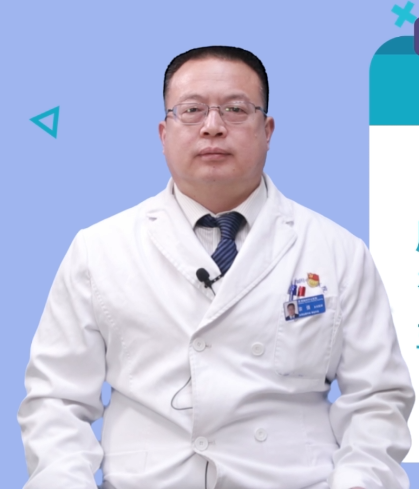
Dr. Zong Qiang
Introduction
Surgical Treatment of Parkinson’s Disease: For patients whose symptoms are no longer adequately controlled with oral medications, deep brain stimulation (DBS)—commonly referred to as a “brain pacemaker”—can be employed to manage disease symptoms. During the procedure, DBS electrodes are implanted into specific brain nuclei using a minimally invasive approach. A pulse generator is then implanted in the chest; it delivers low-intensity electrical currents to modulate neural activity and thereby alleviate Parkinson’s disease symptoms.
For patients whose symptoms are no longer adequately controlled by oral medications, deep brain stimulation (DBS)—commonly referred to as “brain pacemaker” implantation—can be employed to effectively manage disease symptoms.
We precisely target a specific brain nucleus—approximately the size of a soybean—and insert the DBS electrode into this nucleus using a minimally invasive approach. A pulse generator is implanted beneath the skin in the chest wall; it delivers low-intensity electrical impulses to modulate neural activity and thereby alleviate Parkinson’s disease symptoms.
The procedure causes virtually no damage to brain tissue and is entirely minimally invasive. Patients remain awake throughout surgery. Immediately after electrode placement and initiation of stimulation, symptom improvement is often dramatic and instantaneous—restoring near-normal function. For this reason, DBS surgery is widely regarded as one of the most remarkable procedures in neurosurgery. A patient previously incapacitated by severe tremor may regain full functional independence immediately following surgery. Due to its minimally invasive nature, safety profile, and proven efficacy, deep brain stimulation has become the preferred surgical treatment for eligible patients.






