


Can the neurology department determine the cause of headaches?
Mar 17, 2025
Source: Cainiu Health

Dr. Lv Zhiqin
Introduction
Neurology departments can usually identify the cause of headaches in most cases. However, if the condition is complex, interdisciplinary collaboration may be required, as the cause of the headache cannot always be determined by neurology alone. If the headache is caused by non-neurological conditions, such as ophthalmogenic headache or rhinogenic headache, assistance from specialized departments such as ophthalmology or otorhinolaryngology may be necessary to determine the underlying cause.
Neurology departments can usually identify the cause of headaches in most cases. However, if the condition is complex, interdisciplinary collaboration may be required, as neurology alone may not be sufficient to determine the cause of the headache. If you have any concerns, it is recommended to seek medical advice in advance. Detailed analysis is as follows:
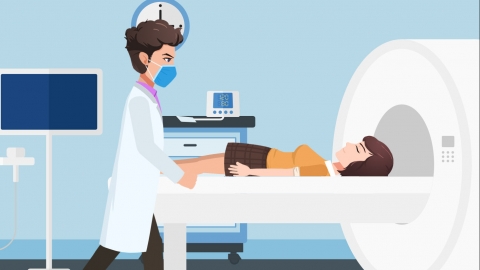
In most cases, neurology can determine the cause of headaches through a series of professional examinations and diagnostic methods. Neurologists possess extensive knowledge of neurological disorders and clinical experience. They can conduct detailed medical history interviews, physical examinations, and auxiliary tests such as head CT scans, head MRI scans, and electroencephalograms (EEGs) to help observe whether there are any brain abnormalities, such as cerebral hemorrhage, cerebral infarction, or brain tumors, thereby identifying the cause of the headache.
However, headaches may also be caused by non-neurological diseases, such as ocular headaches or sinus-related headaches, which may require assistance from specialized departments such as ophthalmology or otolaryngology to determine the cause. Headaches may also stem from complex neurological conditions, such as intracranial space-occupying lesions or cerebral vascular malformations. Diagnosing and treating these conditions may require collaboration among multiple departments, including neurosurgery and radiology.
In daily life, maintaining a healthy lifestyle, improving dietary habits, engaging in appropriate physical exercise, enhancing physical fitness, and reducing the risk of illness are recommended.








