


How long should one rest after a miscarriage?
Nov 30, 2021
Source: Cainiu Health
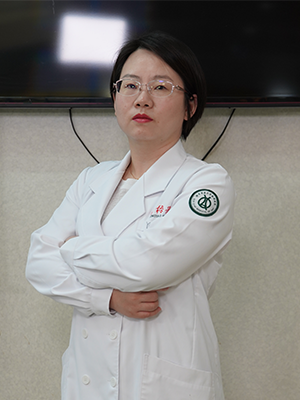
Dr. Yang Qiong
Introduction
Miscarriage is typically followed by a “minor confinement” period, which lasts either two weeks or one month—ideally one month—to allow the woman’s body more time to recover and minimize damage to the uterus. This “minor confinement” represents the optimal window for post-miscarriage physical recovery. During this time, women should focus on enhancing nutritional intake, maintaining vaginal hygiene, abstaining from sexual intercourse, and avoiding an early return to work.
It is widely known that miscarriage can cause significant physical harm to women. In fact, miscarriage is an artificial method of terminating pregnancy. Prior to the procedure, a woman’s body undergoes a series of physiological changes to accommodate pregnancy. After the procedure, the uterus, ovaries, and other organs require time to recover, particularly hormonal levels, which undergo substantial fluctuations. So, how long should a woman observe the “post-miscarriage confinement” (commonly referred to as “small confinement” or “xiao yuezi”)? Below, we provide an overview.

How Long Should a Woman Observe Post-Miscarriage Confinement?
Post-miscarriage confinement—often termed “small confinement”—typically lasts either two weeks or one month; ideally, it should last one full month to allow adequate time for physical recovery and minimize damage to the uterus. This period represents the optimal window for post-miscarriage recuperation, during which nutritional supplementation should be enhanced, vaginal hygiene carefully maintained, sexual intercourse strictly avoided, and early return to work discouraged. Additionally, women are advised to undergo a follow-up ultrasound after miscarriage to rule out retained tissue.
After surgical abortion, bed rest for 2–3 days is recommended. Adequate rest and enhanced nutrition are essential. For the first three days following the procedure, strict bed rest is advised. This is because the uterine endometrium sustains a wound surface after abortion; premature physical activity may prolong vaginal bleeding. Generally, strenuous labor and athletic exercise should be avoided for at least two weeks.

Key Considerations During Small Confinement
1. Maintain Warmth
During confinement, women must avoid all cold or raw foods and beverages. Hair washing and bathing should also be avoided, and contact with cold water must be strictly prohibited. Exposure to cold drafts must likewise be prevented, and indoor temperature should remain stable—neither excessively high nor low. At this stage, the woman’s body is especially vulnerable; even minor exposure to cold or wind may adversely affect her health.
2. Maintain a Balanced Diet
Since small confinement does not involve lactation, women need not consume soup-based dishes before lactation ceases. Instead, stir-fried dishes with moderate amounts of black sesame seeds may be consumed to help replenish blood and vital energy. Nutritious foods—including eggs, milk, fish, and lean meats—are encouraged. However, excessive consumption of highly tonifying or “heat-inducing” foods should be avoided.
3. Ensure Sufficient Rest
Maintain a scientifically sound daily routine. Limit screen time (e.g., television viewing) and ensure adequate eye rest. As previously emphasized, maintaining warmth and avoiding cold drafts remains critical, since women in this state are prone to tension-type headaches or migraines. Prioritize cerebral rest and strictly avoid staying up late.

The above outlines the recommended duration and key considerations for post-miscarriage confinement. We hope this information proves helpful.



