Principles of Treatment for Oral Infections
Jan 27, 2022
Source: Cainiu Health

Dr. Zhou Rui
Introduction
Principles of treating oral infections:
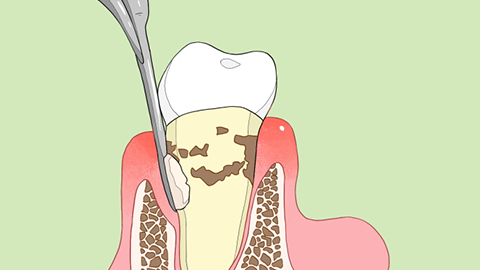
1. Local treatment is the primary approach, including removal of dental calculus and plaque, local irrigation, and drainage of inflammatory exudates (e.g., pulp exposure, periodontal pocket drainage, or incision and drainage). Emphasis should also be placed on maintaining good oral hygiene; systemic antimicrobial therapy serves only as an adjunctive measure.
2. Short-term oral antimicrobial therapy may be considered for patients presenting with severe local signs—such as marked erythema, swelling, heat, and pain—accompanied by systemic symptoms (e.g., fever) or underlying conditions such as diabetes mellitus.
Oral infection is a disease caused by pathogen invasion of the oral cavity. It may originate from dental, salivary gland, traumatic, hematogenous, or iatrogenic sources. So, what are the principles for treating oral infections? Let’s explore them below.
Principles of Treating Oral Infection
The primary principle in managing oral infection is to prioritize local treatment, with antimicrobial therapy serving as an adjunct.
1. Local treatment forms the cornerstone of management—for example, removal of dental calculus and plaque, local irrigation, and drainage of inflammatory exudates (e.g., via pulpotomy, periodontal pocket drainage, or incision and drainage). Concurrently, maintaining rigorous oral hygiene is essential; antimicrobial therapy plays only a supportive role.
2. Short-term systemic antimicrobial therapy (e.g., oral antibiotics) may be indicated in cases presenting with severe local signs—such as marked erythema, swelling, heat, and pain—accompanied by systemic symptoms like fever, or in patients with underlying conditions such as diabetes mellitus.
3. Topical antimicrobial agents may be used when clinically warranted.
Oral infections are typically polymicrobial, involving both commensal oral flora and specific pathogens—including anaerobes, viridans group streptococci, and Candida albicans. Common manifestations include infections of peri-dental tissues (e.g., periodontitis, pericoronitis, acute apical periodontitis [alveolar abscess], alveolar osteitis [dry socket following tooth extraction], and acute periodontal abscess), as well as oral mucosal candidiasis.
During treatment, patients should consume a light, nutritious diet and avoid oily, overly sweet, spicy, or otherwise irritating foods, as well as tobacco and alcohol. Additionally, brushing teeth twice daily and rinsing the mouth after meals are crucial for maintaining oral hygiene and preventing exacerbation of infection.
We hope this information is helpful to you.