


Which department should I visit for poor sleep?
Feb 07, 2022
Source: Cainiu Health

Dr. Li Qi
Introduction
Poor sleep is typically addressed by consulting a neurologist in the Department of Neurology. In comprehensive hospitals—especially Grade A, Class 3 hospitals—if a Sleep Disorders Center or a dedicated Sleep Disorders Department is available, patients may directly schedule appointments with that department. For individuals with psychiatric conditions—such as anxiety disorder or depression—consultation with the Department of Psychiatry is recommended.
Sleep is an essential physiological process in daily life; both sleep quality and duration directly impact physical health. Therefore, achieving good-quality sleep is critically important. So, which medical specialty should one consult for poor sleep? The following addresses this question.
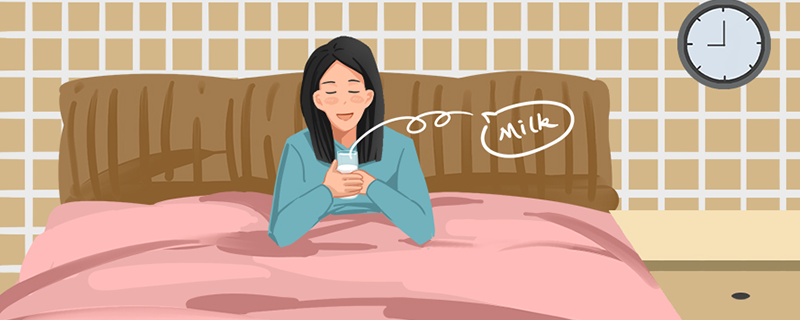
Which Department Should One Visit for Poor Sleep?
For poor sleep, patients are generally advised to consult the Department of Neurology. In comprehensive hospitals—especially Grade A, Class III hospitals—if a dedicated Sleep Disorders Center or Sleep Disorders Division exists, patients may schedule appointments directly with that department.
In some cases, sleep disturbances are secondary to other conditions—for example, psychiatric disorders such as anxiety or depression—in which case consultation with the Department of Psychiatry is appropriate. Diagnosis of sleep disorders typically involves polysomnography (PSG), which provides objective data to guide treatment decisions. Pharmacotherapy is commonly employed: for mild-to-moderate insomnia, medications such as Bailuomian Capsules may be prescribed; for more severe cases, benzodiazepines—such as estazolam—may be used.
First, psychological factors must be considered. Chronic stress, anxiety, depression, or tension inevitably impair sleep; thus, emotional regulation is essential.
Second, among elderly patients, dysregulation of central nervous system neurotransmitters may contribute to sleep disturbances.
Third, certain comorbid conditions—including restless legs syndrome or coronary artery disease—can cause physical discomfort and subsequent insomnia; therefore, these underlying conditions require appropriate management.
The above outlines the appropriate medical specialties to consult for poor sleep. We hope this information proves helpful.




