


What Changes Occur in Pregnant Women?
Mar 05, 2022
Source: Cainiu Health
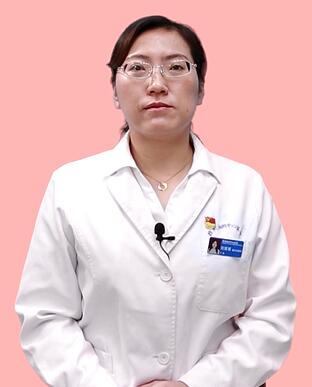
Dr. Liu Yuanyuan
Introduction
1. Changes in appetite: Some women experience altered appetite shortly after their expected menstrual period—foods they typically enjoy may suddenly become unappealing, and even foods they previously enjoyed may no longer be desirable upon subsequent consumption.
2. Breast changes: Under the combined stimulation of estrogen and progesterone, the breasts gradually enlarge during pregnancy, and the nipples and areolae darken in color.
3. Cessation of menstruation.
Pregnancy is a complex and remarkable process in which sperm and egg unite to form a zygote, which gradually develops into a fetus. During early pregnancy, women commonly experience nausea, vomiting, frequent urination, and fatigue, along with various physiological changes such as constipation, hemorrhoids, and lower back or lumbar pain—requiring appropriate management. So, what physical changes occur in pregnant women? The following section addresses this question.

What Physical Changes Occur in Pregnant Women?
1. Changes in Appetite
Some women experience shifts in appetite shortly after their expected menstrual period. Foods they previously enjoyed may suddenly become unappealing—even a single serving may be enough to trigger aversion. Some women lose their appetite entirely or even experience nausea and vomiting, while others develop cravings for sour foods.
2. Breast Changes
Under the combined influence of estrogen and progesterone, the breasts gradually enlarge during pregnancy. The nipples and areolae darken in color, and small, dark-brown nodules (Montgomery tubercles) appear around the areolae. By week 12, some women may notice a small amount of clear, watery fluid (colostrum) leaking from the nipples.
3. Cessation of Menstruation
This is the most commonly recognized sign of pregnancy. In women of childbearing age with regular menstrual cycles, a delay of two weeks or more beyond the expected period—especially following unprotected intercourse—may indicate pregnancy.
4. Skin Pigmentation Changes
During early pregnancy, increased melanin production may lead to skin hyperpigmentation. Additionally, stretch marks (striae gravidarum) often appear on the abdominal wall, becoming especially noticeable in later stages of pregnancy.
5. Increased Urinary Frequency and Urgency
By the third month of pregnancy, the growing uterus begins to compress the bladder, reducing its capacity and resulting in increased urinary frequency and urgency.
The above outlines the common physical changes experienced by pregnant women. We hope this information is helpful to you.



