How to Treat Multiple Gallbladder Polyps
Mar 10, 2022
Source: Cainiu Health

Dr. Deng Tao
Introduction
For patients with multiple gallbladder polyps, laparoscopic cholecystectomy should be considered if any polyp measures greater than 1 cm in diameter. Additionally, for some patients with small gallbladder polyps and no significant clinical symptoms, medical therapy—such as oral ursodeoxycholic acid capsules or tauroursodeoxycholic acid capsules—may be considered for litholysis and lithogenesis inhibition.
Many people believe that multiple gallbladder polyps are benign lesions posing minimal health risks. However, this is not entirely accurate. Without timely intervention, multiple gallbladder polyps may progress and even undergo malignant transformation. Therefore, this condition warrants serious attention, and scientifically sound, effective treatment is essential to prevent complications and safeguard one’s health.
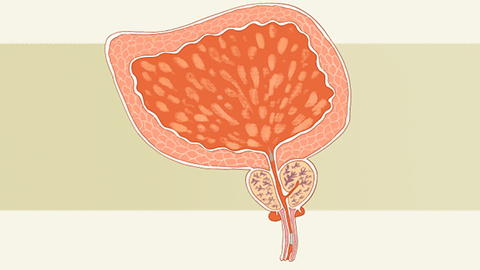
How to Treat Multiple Gallbladder Polyps
For patients with multiple gallbladder polyps, laparoscopic cholecystectomy should be considered if any polyp measures over 1 cm in diameter. Alternatively, for select patients with smaller polyps and no significant clinical symptoms, medical management—including oral administration of ursodeoxycholic acid capsules or tauroursodeoxycholic acid capsules—may be employed to dissolve or inhibit further growth of cholesterol-based polyps.
Patients should also modify their daily diet by minimizing intake of animal fats, organ meats (e.g., liver, kidney), and high-cholesterol seafood such as squid. Clinically, multiple gallbladder polyps are frequently cholesterol-related; therefore, annual fasting upper abdominal ultrasound examinations are recommended. Additionally, patients should ensure adequate rest and avoid staying up late, excessive physical exertion, and alcohol consumption.
Diet plays a vital supportive role in the management of any disease—and especially so in cases of multiple gallbladder polyps. Proper dietary care helps strengthen the body’s constitution and promotes optimal recovery. In daily life, patients are encouraged to consume ample fresh vegetables and fruits. Drinking green tea, hawthorn tea, or ginkgo tea in moderation may also facilitate disease recovery.
We hope the above information is helpful. Wishing you good health and happiness!