


What Causes Finger Pain?
Mar 17, 2022
Source: Cainiu Health

Dr. Shi Jizhou
Introduction
What Causes Finger Pain?
1. Rheumatic diseases are one of the causes of finger pain and soreness. Rheumatoid arthritis is a chronic, recurrent inflammatory disorder primarily affecting the joints throughout the body; it is a common and frequently occurring condition.
2. Sometimes finger soreness occurs upon waking in the morning—this may result from exposure to cold air from an air conditioner during sleep.
It is well known that daily human activities heavily rely on the use of our hands; however, finger joints—particularly the distal interphalangeal (DIP) joints—are highly susceptible to various problems. So, what causes finger pain? Let’s explore this together.
What Causes Finger Pain?
1. Rheumatic diseases are among the common causes of finger aching. Rheumatoid arthritis (RA), for instance, is a chronic, recurrent inflammatory disorder primarily affecting multiple joints throughout the body. It is a prevalent condition, typically presenting symmetrically and involving small joints—especially the proximal interphalangeal (PIP) joints and wrists. In severe cases, larger joints such as the elbows, shoulders, ankles, and knees may also be affected.
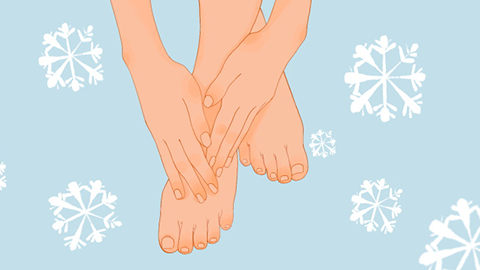
2. Morning finger stiffness and pain may result from exposure to cold air during sleep—for example, from air conditioning.
3. Finger aching can also stem from calcium deficiency. Modern lifestyles—characterized by high work stress, irregular diets, and insufficient physical activity—may contribute to osteoporosis and generalized musculoskeletal pain, including discomfort in the finger joints. We recommend consulting a physician for evaluation or considering appropriate calcium supplementation.
Preventing Finger Pain
Gentle, regular neck exercises combined with frequent upper-limb movement can gradually alleviate finger pain. Exercise should follow a progressive approach—starting gently and gradually increasing intensity—while maintaining consistency. Avoid overexertion or sudden, forceful movements. Complementary therapies—including acupuncture, physical therapy, and vitamin B1 supplementation—may be beneficial but must be undertaken only under professional medical supervision.
Persistent, progressively worsening finger pain—especially when no specific cause is identified upon medical examination—warrants special attention, particularly in middle-aged and older adults. For example, unilateral numbness or tingling in the thumb may signal an impending ischemic stroke. In such cases, do not dismiss symptoms lightly. Promptly consult a healthcare provider to assess blood pressure, lipid profile, and blood glucose levels—and consider a comprehensive neurological evaluation to enable early detection and prevention.
We hope the above information proves helpful to you.







