


Can shoulder periarthritis cause finger pain?
Sep 13, 2022
Source: Cainiu Health

Dr. Lin Yunfei
Introduction
Generally, adhesive capsulitis (frozen shoulder) can cause finger pain because the entire upper limb may be affected by the condition. Adhesive capsulitis leads to abnormal nerve signals around the shoulder joint, which can result in numbness or pain throughout the arm or fingers—this is scientifically supported. Therefore, adhesive capsulitis can contribute to finger pain.
Periarthritis of the shoulder is a common chronic condition in clinical practice, with individuals engaged in high-intensity labor and some middle-aged and elderly people being at higher risk. Early symptoms primarily include pain and restricted shoulder joint function. If not treated promptly, the symptoms of pain and stiffness may progressively worsen as the disease advances, significantly affecting the patient's daily life and work. Can periarthritis of the shoulder cause finger pain?
Can Periarthritis of the Shoulder Cause Finger Pain?
In general, periarthritis of the shoulder can lead to finger pain because the entire upper limb may be affected by inflammation around the shoulder joint. Shoulder periarthritis can generate abnormal nerve signals in the surrounding areas, resulting in numbness or pain extending to the entire arm or fingers—this is scientifically supported. Therefore, periarthritis of the shoulder can indeed contribute to finger pain. However, finger pain is not exclusively caused by shoulder periarthritis; conditions such as rheumatoid or rheumatic arthritis should also be considered. It is essential to conduct tests for rheumatism-related markers and uric acid levels. If arthritis is diagnosed, active treatment is required, including oral anti-rheumatic and dehumidifying medications or uric acid-lowering drugs. For shoulder periarthritis, an MRI examination is recommended to clearly assess the extent of damage. When necessary, treatments such as warm compresses, electromagnetic wave therapy devices, and electro-heating moxibustion therapy may be applied. In cases of severe pain, non-steroidal anti-inflammatory drugs (NSAIDs) can be taken orally, and if needed, arthroscopic shoulder surgery may be performed.
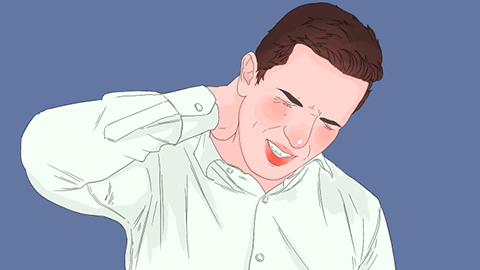
Typical symptoms of shoulder periarthritis include shoulder pain, limited range of motion in the shoulder joint, and sensitivity to cold. After developing this condition, nearly everyone experiences shoulder pain, which usually begins chronically but intensifies over time—sometimes becoming sharp or knife-like—and may fluctuate with weather changes or fatigue. The pain may radiate to the neck and upper limbs, and touching the shoulder may trigger intense discomfort. A hallmark feature is that while shoulder pain may be mild during the day, many patients suffer severe nighttime pain that disrupts sleep. Range of motion in the shoulder joint becomes restricted in all directions, especially in abduction, elevation, and internal and external rotation.

Diet-wise, it is important to maintain balanced nutrition and avoid picky eating. Patients are encouraged to consume more fresh fruits, milk, green vegetables, and other foods rich in vitamin C, while avoiding greasy or oily foods. We hope this information is helpful to you. Wishing you good health and happiness.





