


How does traditional Chinese medicine treat depression?
Dec 29, 2022
Source: Cainiu Health

Dr. Li Man
Introduction
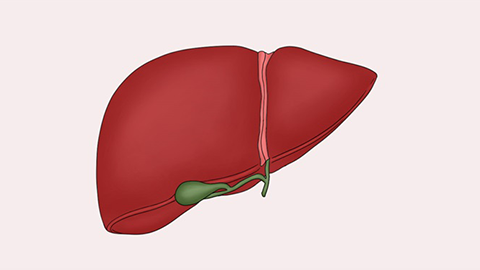
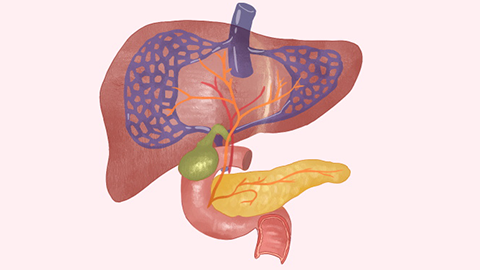
In traditional Chinese medicine (TCM), depression is known as "Yu syndrome," primarily attributed to liver qi stagnation. TCM treats depression through various methods, generally classified into pharmacological and non-pharmacological approaches. These treatments have certain efficacy for mild to moderate depression, with particularly good results for mild cases. Pharmacological treatment mainly involves liver-regulating herbs, such as Xiaoyao San, which functions to soothe the liver, nourish the blood, and strengthen the spleen.
Due to suffering from depression, I have been taking medication for control, but I'm concerned about potential side effects and physical harm. I would like to explore treatment through traditional Chinese medicine (TCM). How does TCM treat depression?
How Does Traditional Chinese Medicine Treat Depression?
In traditional Chinese medicine, depression is referred to as "Yuzheng" (depressive syndrome), primarily attributed to liver qi stagnation. TCM treatment for depression generally includes both medicinal and non-medicinal approaches. These methods show certain effectiveness for mild to moderate depression, with particularly good outcomes in mild cases. Medicinal treatment mainly involves liver-regulating formulas, such as Xiaoyao San (Free and Easy Wanderer Powder), which functions to soothe the liver, nourish blood, and strengthen the spleen. It is effective for depression caused by liver qi stagnation, accompanied by symptoms like loss of appetite, or conditions involving deficiency of qi and blood or dual deficiency of qi and blood. For some severe cases, Dantie Xiaoyao San may also be used. Modern medical research has found that certain herbal medicines, such as Shugan Jieyu Capsules, can effectively treat depression.
Non-medicinal treatments: Non-drug therapies such as acupuncture have also shown significant efficacy in treating depression. Commonly used acupoints include Yintang. Additional points may include Shenting penetrating Baihui, and other pattern-specific points such as Taichong. For emotional distress, Xingjian and Laogong may be added; for qi and blood deficiency, Zusanli and Guanyuan are often included; for insomnia, Shenmen is commonly used. These approaches yield relatively noticeable results for mild to moderate depression.
Patients with depression should actively cooperate with their doctors' treatment plans, maintain a relaxed mindset, communicate frequently with family and friends, and seek support to help prevent relapse. We hope this response is helpful to you. Wishing you good health and happiness!



