


Does teratozoospermia significantly affect the fetus?
Apr 02, 2022
Source: Cainiu Health

Dr. Wang Jianlong
Introduction
Teratozoospermia has minimal impact on the fetus. Fetal malformations and abnormal sperm morphology are not the same thing. Sperm morphology primarily affects the likelihood of conception and bears little relation to the intrinsic nature of sperm—namely, its genetic material. Just as a person’s physical appearance is not directly linked to their essential health status, an individual’s outward appearance does not reflect their overall health.
To conceive a healthy and intelligent baby, high-quality sperm and ova are essential. Suboptimal sperm quality may exert certain effects on fetal development. So, how significantly does teratozoospermia affect the fetus?
Does teratozoospermia significantly affect the fetus?
Teratozoospermia has minimal impact on the fetus. Fetal malformations and abnormal sperm morphology are not equivalent. Sperm morphology primarily influences the probability of conception, rather than reflecting the intrinsic genetic integrity of the sperm. Analogously, an individual’s physical appearance bears no direct relationship to their fundamental health status—just as facial attractiveness does not determine overall health, nor does an unattractive appearance imply poor physical health.
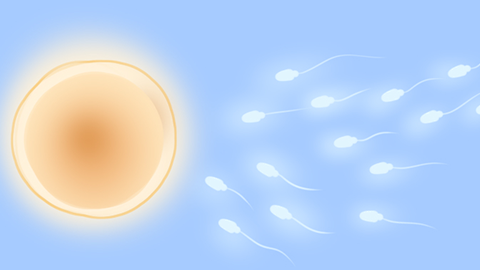
Teratozoospermia is defined as a condition in which fewer than 50% of sperm exhibit normal morphology—that is, more than 50% of sperm in the ejaculate are morphologically abnormal. It refers to defective sperm development and is one of the common causes of male infertility among men of reproductive age. Clinically, teratozoospermia frequently coexists with oligozoospermia (low sperm count) and asthenozoospermia (reduced sperm motility). When all three conditions occur simultaneously, the condition is termed oligoasthenoteratozoospermia (OAT syndrome).
In daily life, it is advisable to adjust dietary patterns to nourish the kidneys and replenish “kidney essence,” by consuming protein-rich foods such as beef, lamb, fish, shrimp, and venison. Alternatively, efforts can be made to reduce excessive depletion of kidney essence. We hope this information proves helpful to you.




