What are the symptoms of anterior vaginal wall prolapse?
Apr 02, 2022
Source: Cainiu Health

Dr. Lv Aiming
Introduction
The perineal mass decreases in size when lying supine or at rest. However, it enlarges with excessive fatigue, increased physical activity, or prolonged standing. In women, this may cause urinary difficulty. Due to residual urine in the bladder, recurrent urinary tract infections (UTIs) commonly occur, leading to symptoms such as urinary frequency, urgency, and dysuria. Some women exhibit prominent stress urinary incontinence and may also have uterine prolapse.
After anterior vaginal wall prolapse occurs, patients may experience certain discomforts. As the condition progresses, symptoms vary and can adversely affect women’s physical health. What are the symptoms of anterior vaginal wall prolapse?
Symptoms of Anterior Vaginal Wall Prolapse
As the anterior vaginal wall bulges, common symptoms include lower back and pelvic aching, increased urinary frequency, dysuria (painful or difficult urination), and increased post-void residual urine volume. Once symptoms appear, women should seek evaluation at a reputable hospital through the obstetrics and gynecology department. Diagnostic tests may include urinalysis and vaginal cytology (e.g., vaginal smear). In severe cases, surgical intervention—under the guidance of a physician—is often required.
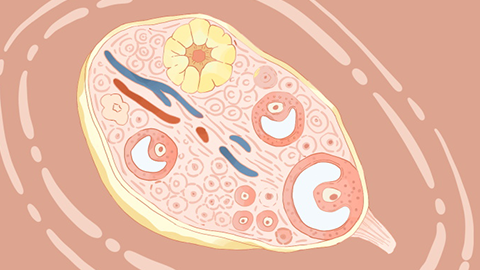
A bulging mass in the vulvar region typically decreases in size when lying supine or resting. However, after excessive fatigue, prolonged standing, or strenuous activity, the mass enlarges, leading to urinary difficulty. Due to residual urine in the bladder, recurrent urinary tract infections (UTIs) may occur, manifesting as urinary frequency, urgency, and dysuria. Some women also experience significant stress urinary incontinence and may have concurrent uterine prolapse.

Women with anterior vaginal wall prolapse should avoid long-term vigorous exercise, heavy physical labor, chronic coughing, and constipation. If coughing or constipation is present, prompt medical evaluation is essential to identify and treat the underlying cause. A high-fiber diet and adequate fluid intake help prevent constipation. Pelvic floor muscle exercises (e.g., Kegel exercises) can improve pelvic floor function and aid in managing anterior vaginal wall prolapse—but consistent, long-term adherence is crucial for optimal results. Inconsistent practice may lead to suboptimal outcomes. We hope this information is helpful to you.