What Causes Vertical Ridges on the Nails?
Apr 11, 2022
Source: Cainiu Health

Dr. Liu Wenmin
Introduction
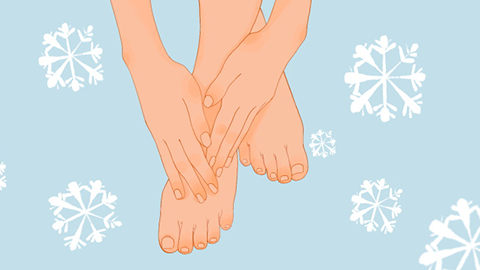
Vertical ridges on the nails—also known as longitudinal ridges—are often accompanied by nail plate thinning, brittleness, or longitudinal grooves (furrows). They are commonly associated with hypothyroidism, peripheral circulatory disorders, cold winter temperatures, and susceptibility to frostbite. Therefore, patients are advised to undergo thyroid function testing and take precautions to stay warm during winter. Medications that improve microcirculation—such as vitamin E, niacinamide tablets, and Salvia miltiorrhiza (Danshen) tablets—may also be considered.
Some individuals develop one or more vertical ridges on their fingernails. What causes these vertical nail ridges?
What Causes Vertical Nail Ridges?
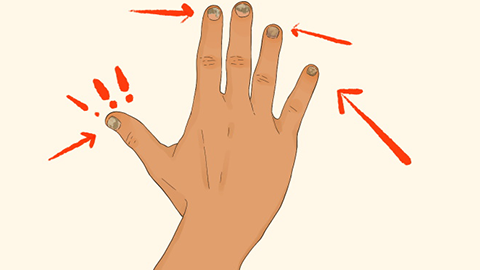
Vertical nail ridges—also known as longitudinal ridges—are often accompanied by thinning, brittleness, or longitudinal grooves in the nail plate. They are commonly associated with hypothyroidism, peripheral circulatory disorders, cold winter weather, and susceptibility to frostbite. Therefore, patients are advised to undergo thyroid function testing and take precautions against cold exposure during winter. Medications that improve microcirculation—such as vitamin E, nicotinamide tablets, and Salvia miltiorrhiza (Danshen) tablets—may be beneficial. Once peripheral circulation around the nail bed improves, nail growth typically returns to normal. Additionally, supplementation with trace elements such as calcium and zinc supports healthy nail growth.
Prevention of vertical nail ridges primarily involves routine nail care and dietary adjustments to ensure balanced nutrition. Long, vertical lines on the nails may indicate underlying conditions such as anemia, calcium deficiency, or malnutrition. Incorporating nutrient-rich broths—such as chicken soup, fish soup, black chicken soup, or pork rib soup—into the diet can be helpful. When trimming nails, avoid cutting them too short; instead, shape them into a gentle arc. Refrain from using nail polish, which contains numerous chemical ingredients.
Regular physical exercise helps strengthen immunity and resilience. Ensure adequate rest, avoid overexertion, and maintain sufficient sleep duration. We hope this information is helpful to you.