


What Are the Treatment Options for Hypotension?
Apr 11, 2022
Source: Cainiu Health

Dr. Li Man
Introduction
What Are the Treatment Options for Hypotension?
1. **Etiology-directed treatment**: For hypotension caused by an underlying disease, the primary condition must be treated first. If medications are responsible, they should be discontinued immediately.
2. **Appropriate physical activity**: Balance work and rest—fatigue can lower blood pressure. Regular, moderate exercise helps improve overall physical fitness.
3. **Dietary adjustments**: Individuals with hypotension should avoid overeating at each meal, as excessive food intake can reduce venous return to the heart.
Abnormal blood pressure—whether high or low—poses significant health risks. Hypotension (low blood pressure) is more common among the elderly and women. Since numerous factors can cause hypotension, timely treatment is essential. So, what are the available treatments for hypotension? Let’s explore them below.
What Are the Treatments for Hypotension?
1. Etiology-Based Treatment
To treat hypotension effectively, it is crucial first to identify its underlying cause. Certain diseases—such as pulmonary tuberculosis—can lead to hypotension; therefore, treating the primary condition (e.g., tuberculosis) is necessary to alleviate hypotensive symptoms. Additionally, certain medications may induce hypotension. In such cases, drug administration should be discontinued immediately, and subsequent pharmacological adjustments must be made under a physician’s guidance.
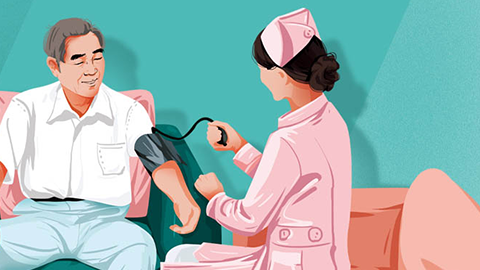
2. Appropriate Physical Activity
Regular exercise offers multiple health benefits: it enhances immune function, regulates autonomic nervous system and vascular activity, and accelerates systemic circulation—thereby reducing the frequency of hypotensive episodes. Maintaining consistent sleep-wake patterns and avoiding excessive fatigue is also vital, as physical exhaustion can further lower blood pressure.
3. Dietary Modifications
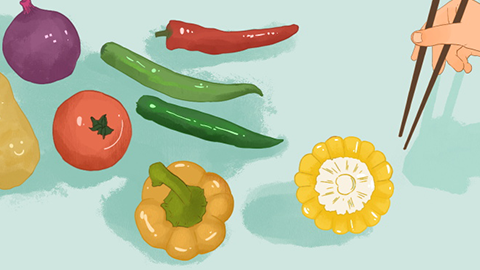
A balanced diet plays an important supportive role in managing hypotension. Patients should avoid overeating at any single meal, since excessive food intake reduces venous return to the heart, potentially triggering hypotension. Elderly individuals with hypotension may benefit from drinking a glass of lightly salted water upon waking each morning. This helps replenish intravascular fluid volume, thereby increasing circulating blood volume and raising blood pressure.
The above outlines the main therapeutic approaches for hypotension. Individuals diagnosed with hypotension must take the condition seriously. Mild cases may be managed through dietary and lifestyle adjustments—including regular exercise—while more severe cases require prompt medical evaluation and professional treatment under physician supervision. We hope this information proves helpful to you.



