The Impact of Irritability on the Body
Apr 11, 2022
Source: Cainiu Health

Dr. Luo Qinghua
Introduction
It is recommended to practice deep breathing and regulate your emotional state—such as engaging in self-reflection or self-dialogue—when you notice irritability in daily life; this can effectively alleviate emotional distress and improve symptoms of spleen-stomach imbalance associated with anger.
Secondly, increasing communication with others and learning how to respond to unexpected events with a calm and stable mindset is advisable.
Additionally, if symptoms are triggered by anxiety, regular psychological counseling or therapy at a hospital is recommended.
One’s surrounding environment influences personality development. Excessive irritability can adversely affect physical health; yet, many individuals remain chronically irritable in daily life. What are the specific health impacts of chronic irritability?
Physical Health Impacts of Chronic Irritability
Under normal circumstances, individuals with poor temper control are at increased risk for liver disorders and cardiovascular diseases—particularly coronary heart disease, hypertension, stroke, cerebrovascular disease, and peptic ulcers. Therefore, learning to maintain emotional stability and a cheerful disposition is highly beneficial to overall physical health.

When experiencing irritability, it is recommended to practice deep breathing to regulate emotional states and engage in self-reflection—both proven effective in alleviating emotional tension and mitigating irritability-related gastrointestinal symptoms. Additionally, increasing interpersonal communication and learning how to respond calmly and constructively to unexpected events can be highly beneficial. If irritability stems from anxiety, regular psychological counseling at a hospital is advised; in some cases, antipsychotic medications prescribed by a physician may be necessary to manage symptoms.
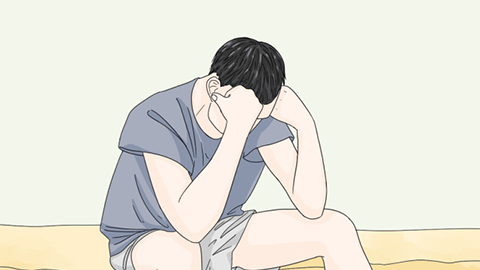
Maintaining an optimistic mindset and embracing life proactively is essential. Chronic irritability not only harms one’s own health but also exerts negative psychological effects on family members who care deeply about the individual. Thus, cultivating a healthier outlook on life is crucial. When feeling irritable, consciously redirecting attention toward pleasant thoughts or joyful experiences can be helpful. We hope this information proves useful to you.