Symptoms of Anxiety Neurosis
Apr 12, 2022
Source: Cainiu Health

Dr. Li Man
Introduction
Symptoms of anxiety disorder include unexplained tension, fear, and anxiety, often manifesting as restlessness and agitation. Patients may experience panic attacks and difficulty concentrating.
Suggestions and recommendations: Additionally, physical symptoms may occur, such as palpitations, chest tightness, and shortness of breath. Pain or discomfort in the precordial region may also be present. Patients often lose interest in activities and exhibit diminished social functioning.
With rapid societal development and increasing life pressures, many individuals experience emotional instability; some even develop anxiety neurosis. This condition manifests through a variety of symptoms—what are the characteristic symptoms of anxiety neurosis?
Symptoms of Anxiety Neurosis
Symptoms of anxiety disorder include unexplained tension, fear, and anxiety, often accompanied by irritability and restlessness. Patients may feel panicked, unable to concentrate, or experience mental confusion. Additionally, physical symptoms commonly occur, such as palpitations, chest tightness, shortness of breath, and discomfort or pain in the precordial region. A marked loss of interest in activities and diminished social functioning are also frequently observed.
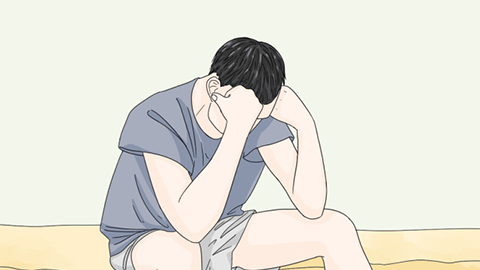
Anxiety disorder is a psychiatric condition prevalent among modern populations. Prolonged exposure to anxiety may ultimately lead to mental breakdown. In its early stages, anxiety disorder is often accompanied by multiple somatic symptoms—including palpitations, chest tightness, shortness of breath, precordial discomfort or pain, accelerated heart rate and respiration, generalized fatigue, and reduced capacity for daily living and work. Even simple household tasks may become difficult or overwhelming, further intensifying the patient’s worry and anxiety. Some patients also suffer from sleep disturbances such as insomnia, early-morning awakening, and recurrent nightmares—often severe and treatment-resistant.
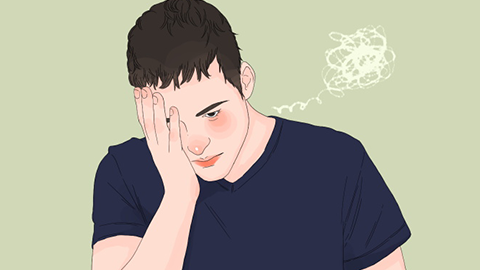
It is advisable to engage regularly in outdoor activities and maintain frequent communication with friends, which can significantly improve mood. Diet should emphasize fresh fruits and vegetables. Personal hygiene should be maintained diligently, and bedrooms should be well-ventilated by opening windows regularly. We hope this information proves helpful to you.