


What is anxiety neurosis?
May 15, 2022
Source: Cainiu Health

Dr. Li Man
Introduction
The primary symptom of anxiety neurosis is anxiety, manifesting as abnormal anxiety responses. This condition is generally associated with an individual’s neurological type, environmental factors, and personal personality traits; therefore, symptom-targeted counseling is recommended. Benzodiazepines and tricyclic antidepressants exhibit effective anti-anxiety properties. Anxiety neurosis significantly impairs patients’ daily functioning. Understanding this disorder enables timely and effective treatment.
Neurosis is not uncommon in today’s society, and a subset of patients develops anxiety neurosis. But what exactly is anxiety neurosis?
What Is Anxiety Neurosis?
The primary symptom of anxiety neurosis is anxiety—specifically, an abnormal anxiety response. This condition is generally associated with constitutional neural type, environmental factors, and individual personality traits. Appropriate psychological counseling should be provided based on the patient’s specific symptoms. Benzodiazepines and tricyclic antidepressants demonstrate effective anti-anxiety properties. Anxiety neurosis significantly impairs patients’ daily functioning; understanding this disorder enables timely and effective treatment.
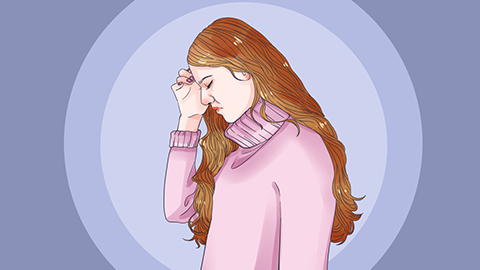
Symptoms of anxiety neurosis. In fact, anxiety neurosis is a form of anxiety disorder. It is a neurotic condition characterized predominantly by anxiety—essentially, a pathological anxiety response. Patients experience unprovoked tension and anxiety or anxiety that exceeds normal physiological limits. Common manifestations include persistent anxiety, panic, nervousness, and a pervasive sense of insecurity. In severe cases, patients may exhibit exaggerated startle responses to external stimuli and frequently suffer from sleep disturbances and autonomic nervous system dysfunction.
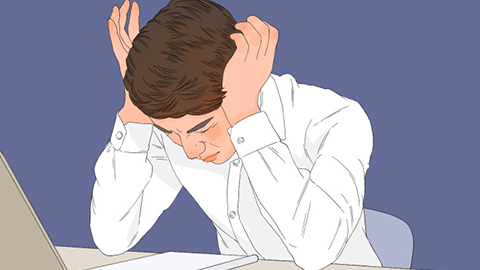
Etiology of anxiety neurosis. Anxiety neurosis may arise from interactions among constitutional neural type, environmental stressors, and personality factors. Efforts should be made to modify living and learning environments to prevent symptom exacerbation. Regular physical exercise is also recommended. If non-pharmacological interventions prove insufficient, medications such as sedatives may be considered. We hope this information proves helpful to you!





