


Side Effects of White Poria
Apr 12, 2022
Source: Cainiu Health

Dr. Zhao Haiming
Introduction
Poria (Fu Ling) should not be taken in excessive amounts, as overuse may impair vision. Traditional Chinese medicines (TCMs) or herbal remedies are natural substances and generally have few or no side effects. Consequently, many people prepare medicinal teas or herbal wines using TCMs to enhance physical health and vitality. However, six types of health-promoting Chinese herbs may damage the eyes—and even cause blindness—if used indiscriminately. Therefore, TCMs should never be taken blindly.
White Poria (Poria cocos, also known as “Bai Fu Ling”) is a commonly used herb in daily life. However, some individuals, unfamiliar with its pharmacological effects and clinical applications, may use it indiscriminately—potentially triggering adverse reactions. So, what are the side effects of White Poria?
Side Effects of White Poria
Poria should not be taken in excessive doses. Overuse may impair vision. Although traditional Chinese medicines (TCMs) and herbal remedies are natural substances—and generally associated with minimal or no side effects—many people still consume them casually, such as by brewing medicinal teas or preparing herbal wines, in hopes of enhancing physical health. Notably, six commonly used tonic herbs—including Poria—may cause ocular damage, including blindness, if used blindly or inappropriately. Therefore, TCMs should never be taken without professional medical guidance.
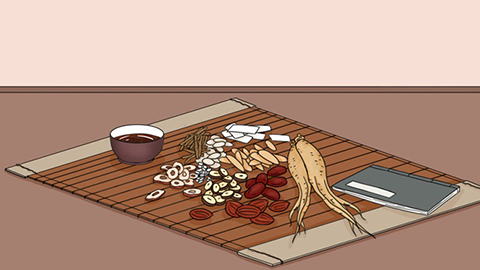
Poria exerts therapeutic effects including strengthening the Spleen, promoting diuresis and resolving dampness, and calming the mind. It is clinically employed to treat conditions such as edema; phlegm accumulation, cough, and vomiting; poor appetite due to Spleen deficiency; diarrhea; palpitations; insomnia; and forgetfulness. Poria is frequently prescribed for oliguria (reduced urine output) and edema. Its primary action involves promoting water metabolism and eliminating excess dampness. With a mild and balanced nature, Poria effectively drains dampness without depleting Qi—making it a key herb for resolving dampness and promoting urination. It is also indicated for diarrhea caused by Spleen deficiency, as it both strengthens the Spleen and dispels dampness—particularly useful in cases of diarrhea resulting from impaired Spleen transportation and transformation.

Always follow your physician’s instructions when taking any medication. Avoid self-medicating, as this may lead to adverse effects. In daily life, drink plenty of warm water and engage regularly in outdoor physical exercise. We hope this information proves helpful to you.





