


What Are the Causes of Male Infertility?
Apr 12, 2022
Source: Cainiu Health

Dr. Wang Jianlong
Introduction
The causes of impaired male fertility—or male infertility—are, in fact, highly complex. Clinical examinations can help identify the underlying cause of infertility in specific anatomical or physiological areas. For instance, varicocele is the most common identifiable cause of male infertility. Other potential contributors include genetic disorders, chromosomal abnormalities, and microdeletions of the Y chromosome—all of which may adversely affect fertility.
Today’s high work pressure and persistent psychological stress—combined with various other factors—can lead some men to develop infertility, causing considerable distress to families. What are the causes of male infertility?
What Causes Male Infertility?
The causes affecting male fertility—or leading to male infertility—are highly complex. Clinical examinations can help identify the specific anatomical or physiological site responsible for infertility. For instance, varicocele is the most common identifiable cause of male infertility. Other contributing factors include genetic disorders, chromosomal abnormalities (e.g., microdeletions of the Y chromosome), and conditions such as azoospermia. Azoospermia may result from impaired spermatogenesis (non-obstructive azoospermia) or from obstructive causes (obstructive azoospermia); both types present significant therapeutic challenges in clinical practice. Additionally, intrinsic testicular dysfunction—including impaired spermatogenic capacity—and hypothalamic-pituitary-gonadal axis disorders can disrupt normal sperm production, potentially resulting in azoospermia and consequent male infertility.
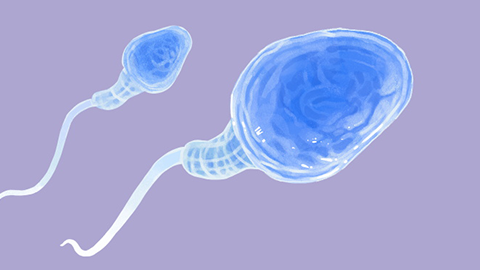
Numerous conditions contribute to male infertility, including prostatitis, urinary tract infections, and azoospermia. Thyroid dysfunction—either hyperthyroidism or hypothyroidism—as well as pituitary insufficiency, may also impair sexual function and contribute to infertility.
In daily life, men should avoid alcohol consumption and smoking, and refrain from chronic sleep deprivation. Establishing and maintaining healthy sleep-wake habits is essential. We hope this information proves helpful to you.








