


How is teratozoospermia treated?
Apr 13, 2022
Source: Cainiu Health

Dr. Wang Jianlong
Introduction
The presence of abnormally shaped sperm can be addressed through medication or by modifying one’s lifestyle habits. Some cases are caused by genetic factors, while others result from underlying medical conditions. In men, abnormal sperm morphology can impair normal conception, as the likelihood of pregnancy is significantly reduced. Therefore, prompt medical treatment is recommended.
Sperm production primarily occurs in the testes and is regulated by endocrine hormones within the body. A decline in circulating androgen levels can readily lead to reduced sperm motility and abnormal spermatogenesis. How should teratozoospermia be treated?
How to Treat Teratozoospermia
Teratozoospermia can be managed through pharmacological treatment, as well as lifestyle modifications. In some cases, it arises from genetic factors; in others, it results from underlying systemic diseases. When men develop this condition, normal conception may be impaired, as sperm abnormalities significantly reduce the likelihood of successful fertilization. Prompt medical intervention—along with timely lifestyle adjustments—is therefore strongly recommended.
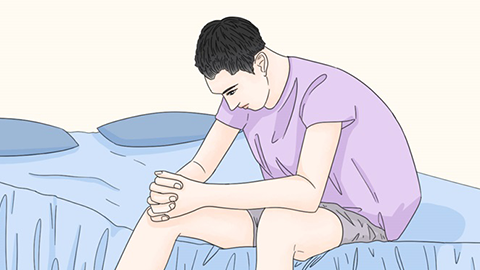
Patients with teratozoospermia commonly experience symptoms such as fatigue, loss of appetite, abdominal distension, or lumbosacral and knee weakness. Associated physical findings may include varicocele and testicular enlargement. Infertility: Some patients experience infertility due to sperm abnormalities. If the proportion of morphologically abnormal sperm exceeds 50%, it is classified as high-rate teratozoospermia—a potential cause of male infertility.
Regular, moderate-intensity physical activities—such as jogging, brisk walking, badminton, table tennis, or basketball—are beneficial for enhancing overall physical fitness and improving sperm morphology. Cultivating healthy daily habits is essential: avoid staying up late and excessive physical exertion; maintain good personal hygiene; and change and wash undergarments frequently. We hope this information proves helpful to you.







