


Early Symptoms of Liver Disease
Apr 14, 2022
Source: Cainiu Health

Dr. Jin Zhongkui
Introduction
There are many types of liver disease, which generally refer to a group of conditions caused by various harmful factors—such as hepatitis, fatty liver disease, cirrhosis, and liver cancer—that result in hepatic injury. Because liver damage typically progresses slowly and the liver possesses substantial functional reserve, early-stage liver disease often presents with nonspecific or atypical symptoms. More sensitive individuals may experience headache, nausea, vomiting, loss of appetite, and fatigue.
Many liver diseases are already at the intermediate or advanced stage by the time they are detected. So, what are the early symptoms of liver disease?
Early Symptoms of Liver Disease
Liver disease encompasses a variety of conditions—including hepatitis, fatty liver disease, cirrhosis, and hepatocellular carcinoma—caused by multiple harmful factors that damage the liver. Because liver damage typically progresses slowly and the liver possesses substantial functional reserve, early-stage liver disease often presents with nonspecific or subtle symptoms. Sensitive individuals may experience headache, nausea, vomiting, loss of appetite, fatigue, lethargy, jaundice, aversion to greasy foods, and abdominal distension. In more severe cases, early signs of liver failure may appear, such as markedly dark urine, yellowing of the sclera (whites of the eyes), yellowing of the skin (jaundice), spontaneous gingival bleeding, and epistaxis (nosebleeds).

Given the lack of distinctive early symptoms, regular annual liver function tests are strongly recommended—especially for individuals with long-term risk factors (e.g., chronic alcohol use, obesity, viral hepatitis infection, or metabolic syndrome). Routine screening enables early detection, timely diagnosis, and prompt intervention, thereby helping to prevent irreversible liver damage such as hepatic fibrosis and cirrhosis.
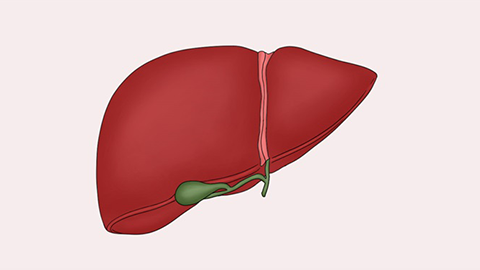
If left untreated or inadequately managed, liver disease can progressively impair the entire organ and even increase the risk of combined liver-kidney failure. Therefore, once diagnosed, prompt and effective treatment is essential to preserve normal liver function. We hope this information has been helpful to you.



