


What is gastrointestinal stromal tumor (GIST)?
Apr 14, 2022
Source: Cainiu Health

Dr. Liu Zhengxin
Introduction
Clinical Manifestations of Gastrointestinal Stromal Tumors (GISTs):
The most common symptoms include abdominal pain, abdominal discomfort, and an abdominal mass.
Less common manifestations are bleeding-related symptoms such as hematochezia and anemia; occult gastrointestinal bleeding (detected by fecal occult blood testing) is most frequent, while overt massive bleeding occurs less commonly—e.g., duodenal GISTs may cause hematemesis or even profuse melena.
Additionally, rupture of certain GISTs can lead to acute peritonitis and shock.
Gastrointestinal stromal tumors (GISTs) significantly impact gastric health. Their incidence has risen recently, posing notable risks to human health. What exactly is a gastrointestinal stromal tumor?
What Is a Gastrointestinal Stromal Tumor?
A gastrointestinal stromal tumor (GIST) is a neoplasm arising from the interstitial (mesenchymal) tissue of the gastrointestinal tract. When small in size, most GISTs are benign. However, if a GIST progressively enlarges—particularly when exceeding 2 cm in diameter—and exhibits high proliferative activity, it is typically malignant. Prompt and active collaboration with healthcare providers is essential upon diagnosis, as GISTs pose serious threats to health.

Clinical manifestations of GISTs: The most common symptoms include abdominal pain, abdominal discomfort, and palpable abdominal masses. Less frequent but significant presentations involve bleeding-related symptoms such as hematochezia (blood in stool) and anemia—often detected as occult blood in stool; in rare cases, massive bleeding may occur, e.g., upper gastrointestinal GISTs may cause hematemesis or substantial melena. Additionally, rupture of a GIST can lead to acute peritonitis and shock. Rare manifestations include anorexia or, in cases of large tumors, weight loss secondary to dysphagia or impaired food intake.
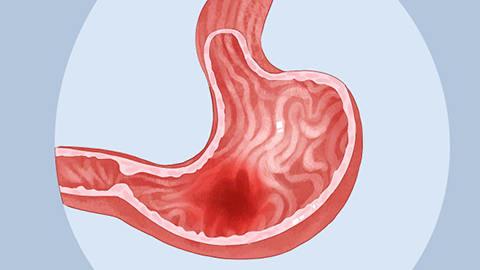
Patients diagnosed with intestinal GISTs should adhere to a light, easily digestible diet, consuming ample fresh vegetables and fruits to support nutritional needs. They should avoid fatty and hard-to-digest foods, which not only impair digestion but also increase the risk of gastric hemorrhage. Moreover, patients should refrain from extremely cold or hot foods to prevent injury to the stomach, esophagus, and other gastrointestinal structures. We hope this information proves helpful.






