


What is hemophagocytic syndrome?
Apr 14, 2022
Source: Cainiu Health
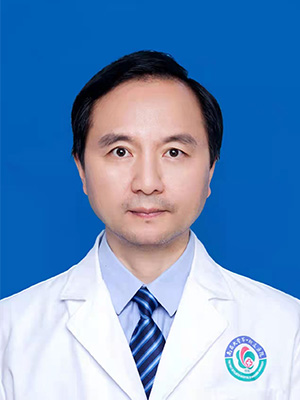
Dr. Peng Xiaodong
Introduction
Hemophagocytic syndrome is a clinical syndrome caused by excessive activation and proliferation of the monocyte-macrophage system, leading to the overproduction of inflammatory cytokines. It may be inherited (familial) or triggered by infections, malignancies, or medications. Clinical manifestations include pancytopenia, resulting in infections, splenomegaly, bleeding, coagulopathy, and anemia.
In daily life, some diseases are quite familiar to the general public, whereas others remain relatively unknown—such as hemophagocytic lymphohistiocytosis (HLH). Once diagnosed with HLH, prompt treatment is essential. But what exactly is hemophagocytic lymphohistiocytosis?
What Is Hemophagocytic Lymphohistiocytosis?
Hemophagocytic lymphohistiocytosis (HLH) is a clinical syndrome caused by excessive activation and proliferation of the monocyte-macrophage system, leading to overproduction of inflammatory cytokines. HLH may be inherited (familial), or it may be triggered by infections, malignancies, or certain medications. Clinical manifestations include pancytopenia, which predisposes patients to infections, splenomegaly, bleeding, coagulopathy, and anemia. Additionally, patients often exhibit hepatic dysfunction, coagulation abnormalities, and central nervous system involvement. Individuals suspected of having HLH should seek medical evaluation for definitive diagnosis and subsequent targeted therapy.

HLH is classified into primary (familial) and secondary forms. Upon diagnosis of primary HLH, immediate initiation of the HLH-2004 protocol for induction therapy is recommended. Furthermore, allogeneic hematopoietic stem cell transplantation (allo-HSCT) should be pursued as soon as possible for curative intent. In contrast, secondary HLH commonly arises in association with infections, rheumatologic/autoimmune disorders, or malignancies. Management of secondary HLH begins with addressing the underlying cause, followed by aggressive supportive care to stabilize the patient’s overall condition.

In daily life, individuals should engage in regular physical exercise and consume a balanced, nutrient-rich diet—including both animal and plant-based foods—to maintain optimal health. We hope this information has been helpful to you.







