Mechanism of Action of Colchicine
Apr 14, 2022
Source: Cainiu Health

Dr. Lin Yunfei
Introduction
Colchicine, also known as colchicine, alleviates joint pain and swelling and is primarily used for the prevention and treatment of acute gouty arthritis. Select an alternative medication. This drug is contraindicated in pregnant women; breastfeeding women must discontinue nursing after using it. Food does not affect colchicine absorption; however, for acute gout, oral administration typically produces a therapeutic effect within 12–24 hours.
Colchicine is an alkaloid extracted from the autumn crocus plant (*Colchicum autumnale*). Some individuals use colchicine to alleviate joint pain or swelling. What are the effects of colchicine?
Effects of Colchicine
Colchicine—also known as colchicine alkaloid—alleviates joint pain and swelling and is primarily used for the prevention and treatment of acute gouty arthritis. An alternative medication should be considered in certain cases. This drug is contraindicated during pregnancy. Breastfeeding women must discontinue nursing upon initiation of colchicine therapy. Food does not affect colchicine absorption; however, for acute gout, oral administration typically produces therapeutic effects within 12–24 hours. Colchicine exhibits reproductive toxicity during treatment, potentially causing fetal malformations; therefore, conception should be avoided during therapy and for several months after discontinuation. Both male and female patients of childbearing potential must use effective contraception.
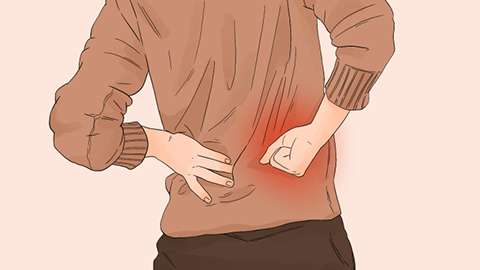
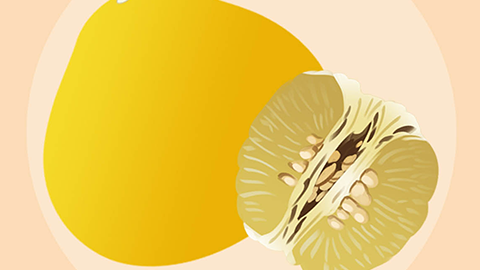
Additionally, avoid consuming grapefruit, as it may increase colchicine’s toxicity and adverse effects; therefore, grapefruit intake must be strictly avoided. Colchicine may also impair vitamin B12 absorption, although this effect is reversible upon discontinuation. During treatment, colchicine may affect hematologic parameters and hepatic or renal function; thus, regular monitoring is required.
In daily life, engage regularly in physical exercise, adopt a diet low in spicy and greasy foods, and strictly abstain from smoking and alcohol consumption to promote overall health. We hope this information is helpful to you.