


The Best Ways to Lower Uric Acid
Apr 14, 2022
Source: Cainiu Health

Dr. Pan Yongyuan
Introduction
To lower uric acid levels, it is necessary to improve symptoms by both reducing uric acid production and enhancing its excretion. Reducing uric acid production can be achieved through dietary control—specifically, limiting intake of high-purine foods such as seafood, animal offal, meat broths, mushrooms, spinach, and soy products. Additionally, avoid alcoholic beverages and other alcohol-containing drinks.
Some patients with kidney disease develop hyperuricemia—a distressing condition that interferes with normal dietary habits. What is the most effective way to lower uric acid levels?
The Most Effective Ways to Lower Uric Acid
Lowering uric acid requires both reducing its production and enhancing its excretion. Dietary modifications can help reduce uric acid production: limit intake of high-purine foods such as seafood, organ meats (e.g., liver and kidneys), meat broths, mushrooms, spinach, and soy products. Avoid alcoholic beverages—especially beer—as alcohol impairs uric acid excretion. To promote uric acid excretion, increase daily fluid intake, particularly water, which helps flush uric acid from the bloodstream via the kidneys into urine. Additionally, uricosuric medications—such as benzbromarone and sulfinpyrazone—may be prescribed to enhance renal uric acid excretion.
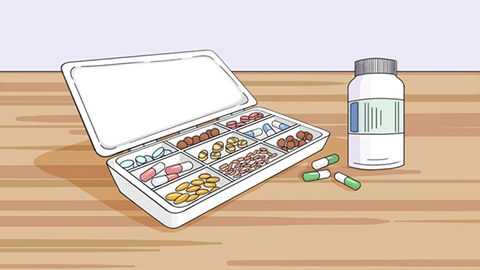
Uric acid is a metabolic waste product formed through the oxidation of dietary purines or endogenous purine nucleotides. Under normal conditions, the kidneys efficiently excrete uric acid. However, hyperuricemia may occur due to either excessive dietary purine intake or increased renal reabsorption of uric acid. Treatment for hyperuricemia focuses on lowering serum uric acid levels—primarily by restricting purine-rich foods and using uricosuric agents.
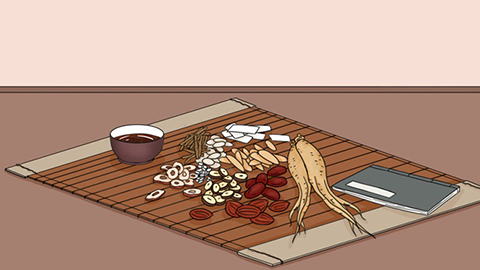
In daily life, maintain a balanced and varied diet—avoid picky or unbalanced eating habits—and cultivate healthy dietary practices. We hope this information proves helpful to you.




