


What medication should I take if I wake up in the middle of the night and cannot fall back asleep?
Apr 17, 2022
Source: Cainiu Health

Dr. Li Qi
Introduction
If young people consistently suffer from insomnia, consider whether work-related stress is the cause. In such cases, maintaining a positive and relaxed mindset is the first priority. A light diet rich in fresh fruits and vegetables is recommended. Avoid alcohol, coffee, and strong tea before bedtime. If symptoms persist despite these lifestyle adjustments, sleep-regulating medications may be considered.
With improvements in living standards, people’s stress levels are also rising, leading many to experience insomnia. Some individuals wake up in the middle of the night and find themselves unable to fall back asleep. Prompt intervention is essential in such cases, as untreated insomnia can adversely affect daily life and academic or professional performance. So, what medication can be taken when waking up at night and being unable to return to sleep?
What Medication Can Be Taken When Waking Up at Night and Unable to Fall Back Asleep?
Waking up during the night and struggling to resume sleep may stem from recent psychological stress or tension. You can try relaxing your mind and reducing stress. Soaking your feet in warm water before bedtime may also help. Under the guidance of a qualified healthcare professional, certain medications that soothe the nervous system and promote brain relaxation—thereby aiding sleep—may be used. Generally, these medications are best taken in the evening, as this timing enhances absorption and therapeutic efficacy, thereby effectively supporting sleep onset.
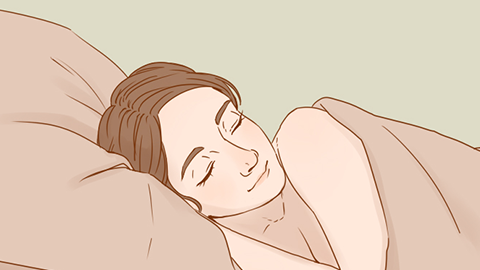
If young adults frequently suffer from insomnia, consider whether occupational stress might be the underlying cause. In such cases, maintaining a positive and balanced mental state is paramount. Incorporating more fresh fruits and vegetables into a light, healthy diet is recommended. Additionally, avoid alcohol, coffee, and strong tea in the evening. If lifestyle adjustments prove insufficient, sleep-regulating medications may be considered under medical supervision.

In daily life, it is important to eliminate unhealthy habits—such as chronic late-night activity—and instead cultivate good sleep hygiene, including consistent early-to-bed, early-to-rise routines. Aim to go to bed by 10 p.m. each night. Regular participation in outdoor activities not only uplifts mood but also strengthens physical health. We hope this information proves helpful to you.



