


What complementary foods can a 5-month-old baby eat?
Apr 18, 2022
Source: Cainiu Health

Dr. Ma Yan
Introduction
A 5-month-old baby can begin consuming small amounts of fruit puree, rice cereal, or rice porridge—such as carrot puree, potato puree, pumpkin puree, or Chinese yam puree. Start with a single type of food and gradually introduce additional varieties; likewise, begin with small quantities and slowly increase the amount. Since an infant’s digestive system is still immature, it is generally recommended to introduce complementary foods—including fruit purees—after the baby reaches 6 months of age.
As babies grow older, mothers begin introducing complementary foods—but many are unsure which foods to start with. What complementary foods can a five-month-old baby eat?
What complementary foods can a five-month-old baby eat?
At five months, babies may begin consuming small amounts of fruit purees or infant rice cereal (rice gruel). Examples include carrot puree, potato puree, pumpkin puree, and Chinese yam puree. Start with one type of food and gradually introduce multiple varieties; begin with tiny portions and slowly increase the quantity. Since infants’ digestive systems are still immature, it is generally recommended to wait until six months before introducing complementary foods—and at that time, include some fruit purees to promote gastrointestinal motility and provide essential vitamins. For five-month-olds, breast milk or infant formula remains the optimal primary source of nutrition.
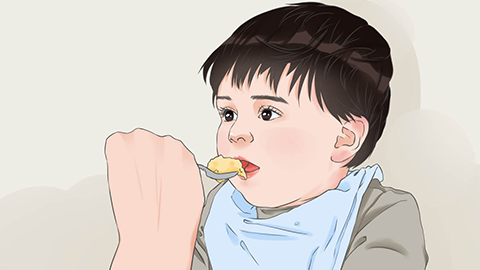
The timing for introducing complementary foods should be based on the baby’s physical development, neurological maturity, feeding skills, and social abilities. Complementary feeding may begin when the baby weighs over 6–7.5 kg, can control trunk movement, sit upright with support, and shows interest in sitting at the table to eat—typically around six months of age. Note: Complementary foods should not be introduced during acute illnesses such as fever, diarrhea, vomiting, or loss of appetite.
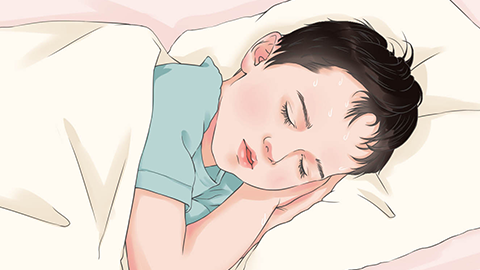
When introducing complementary foods, encourage active participation in feeding. Once the baby develops the ability to grasp objects, allow them to hold a spoon and feed themselves—this helps develop hand-eye coordination and fosters independence. We hope this information is helpful!




