What Tests Should Women Undergo Before Conception?
Apr 18, 2022
Source: Cainiu Health
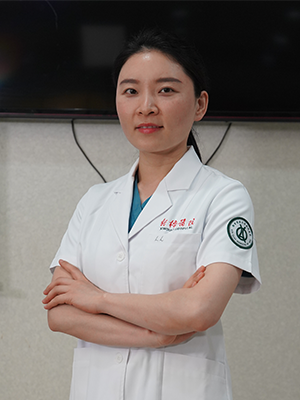
Dr. Yang Qiong
Introduction
Women planning pregnancy should undergo comprehensive health examinations to assess their overall physical condition, including cardiac, pulmonary, and renal function. Additionally, evaluation of the female reproductive organs is essential. Ideally, this should include cervical TCT (ThinPrep cytology test) and HPV testing, as well as gynecological examination—such as pelvic ultrasound and pelvic exam—and assessment of vaginal discharge to rule out vaginitis. Blood tests are also required, with particular attention to liver and kidney function, blood glucose levels, and other relevant parameters.
In today’s society, many women planning to conceive wish to undergo a comprehensive health assessment to better understand their physical condition. They often seek information about the specific tests recommended prior to pregnancy—what examinations should women undergo when preparing for conception?
What Preconception Examinations Should Women Undergo?
During the preconception period, women should undergo medical evaluations to assess their overall health status—including cardiac, pulmonary, and renal function. Additionally, evaluation of the female reproductive system is essential. Recommended tests include cervical cytology (TCT), HPV testing, pelvic ultrasound, and gynecological examination. Vaginal discharge should also be assessed to rule out vaginitis. Blood tests are crucial, with particular attention to liver and kidney function, blood glucose levels, and thyroid function. Comprehensive preconception health screening helps ensure women enter pregnancy in optimal health.

It is highly advisable to undergo preconception genetic counseling and screening—for instance, TORCH testing—to detect potential viral infections. Folic acid supplementation is strongly recommended starting three months before conception to reduce the risk of neural tube defects and other congenital anomalies. Collectively, these assessments help comprehensively evaluate a woman’s health status and identify any potential high-risk factors.

During the preconception period, women should cultivate healthy lifestyle habits, ensuring adequate sleep. Nutritionally, they should consume high-quality, protein-rich foods such as eggs, milk, and lean meats, while minimizing intake of spicy or irritating foods, which may adversely affect overall health. We hope this information proves helpful!