How Can Older Women Prepare for Pregnancy?
May 11, 2022
Source: Cainiu Health

Dr. Chen Zhe
Introduction
Women of advanced maternal age planning pregnancy should first undergo hospital-based screening for chromosomal disorders and structural abnormalities, and take folic acid supplements under medical supervision to prevent neural tube defects. Second, women should adopt a healthy lifestyle—avoiding smoking, alcohol consumption, and junk food. Women planning pregnancy generally require routine preconception examinations three months prior to conception to ensure healthy conception and optimal fetal development.
In daily life, some women—driven by familial responsibilities—dedicate themselves to career advancement and self-improvement at a young age, resulting in delayed marriage and childbearing. Consequently, conception becomes significantly more challenging. So, how should advanced-maternal-age women prepare for pregnancy?
How Should Advanced-Maternal-Age Women Prepare for Pregnancy?
Women of advanced maternal age planning pregnancy should first undergo hospital-based screening for chromosomal disorders and structural abnormalities. Under medical guidance, they should also take folic acid supplements to help prevent neural tube defects. Second, women should adopt a healthy lifestyle—avoiding smoking, alcohol consumption, and processed or unhealthy foods.

Women planning pregnancy generally require routine preconception examinations three months prior to conception to ensure optimal maternal and fetal health. This is especially critical for women of advanced maternal age. Initial assessments must include evaluation of tubal patency and ovulation status, along with comprehensive physical and gynecological examinations. If all results are normal, pregnancy preparation may begin. It is also recommended that male partners undergo preconception evaluations to confirm both partners’ suitability for conception.
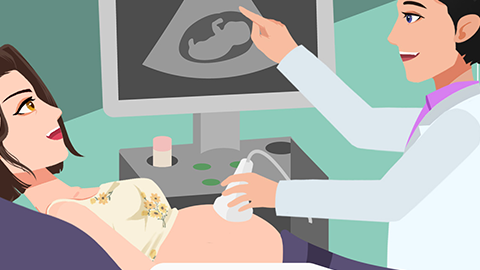
For women of advanced maternal age preparing for pregnancy, I recommend following the same principles as younger women—beginning preparations as early as possible, ideally before conception. A diet rich in folate is essential, and supplemental folic acid should be taken consistently to reduce the risk of neural tube defects in the fetus. Additionally, iodine-rich foods or iodine-containing supplements are advised both before and during pregnancy, since iodine deficiency can impair fetal neurological development and overall muscular growth. Finally, attention should be paid to personal health behaviors. I hope this information proves helpful!