Postoperative Care Instructions for Cervical Polypectomy
Apr 19, 2022
Source: Cainiu Health
Dr. Cao Ting
Introduction
1. Observation of Bleeding Volume: Under normal circumstances, postoperative bleeding is relatively minimal and should not exceed the heaviest menstrual flow. However, if the polyp tissue is large and highly vascularized, bleeding volume may increase.
2. Antibiotic Administration: Cervical polypectomy carries a risk of infection; therefore, routine antibiotics should be administered postoperatively. Sexual intercourse should be avoided for at least two weeks after surgery, as resuming too soon may impede wound healing.
Cervical polyps are a common gynecological condition. If left untreated, they may cause harm to the body; therefore, timely treatment is essential. Equally important is postoperative care following cervical polypectomy. So, what precautions should be taken after cervical polyp surgery?
Postoperative Precautions Following Cervical Polypectomy
Key postoperative considerations include monitoring vaginal bleeding, taking prescribed anti-inflammatory medications, abstaining from sexual intercourse for a specified period, and maintaining proper nutrition. Specifically: 1. Bleeding observation: Normally, postoperative bleeding is minimal—less than the heaviest day of menstrual flow. However, larger polyps with rich vascularity may lead to increased bleeding. 2. Anti-inflammatory medication: Infection risk is elevated after cervical polypectomy; thus, routine prophylactic antibiotics are typically prescribed postoperatively. 3. Abstinence from sexual intercourse: Resuming sexual activity too soon may impede wound healing and increase infection risk; abstinence is generally advised for at least two weeks post-surgery. 4. Nutrition: Maintain a balanced diet rich in nutrients and avoid spicy or irritating foods.
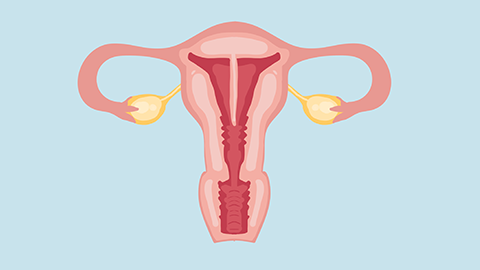
Cervical polypectomy is a straightforward outpatient procedure, ideally performed 3–7 days after the end of menstruation. Sexual intercourse must be avoided for three days prior to the procedure and until menstruation has fully ceased, as coitus increases the risk of inflammatory infection. Prior to surgery, preoperative evaluations—including complete blood count (CBC), coagulation profile, and assessment for genital tract infection—must be completed to rule out contraindications. During the procedure, the physician typically grasps the polyp’s stalk with forceps and gently twists it off. Consequently, the surgery is brief—usually lasting only a few minutes—and is generally painless.
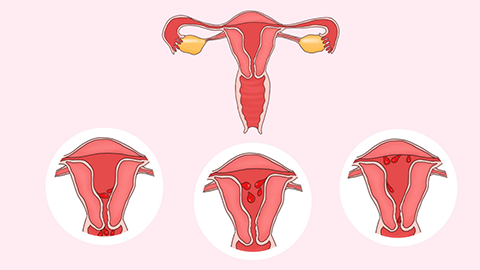
After surgery, patients should rest adequately and avoid spicy or irritating foods. We hope this information proves helpful!