


What are the diagnostic and treatment guidelines for H7N9 avian influenza?
Apr 20, 2022
Source: Cainiu Health

Dr. Huang Wenxiang
Introduction
What are the diagnostic and treatment protocols for H7N9 avian influenza?
For patients with mild illness, isolation and supportive care are recommended. Since H7N9 avian influenza is contagious, strict isolation measures must be implemented during treatment. Patients should ensure adequate rest and sleep, drink plenty of fluids, and consume easily digestible, nutrient-rich foods.
For severe cases, antiviral medications targeting influenza viruses are administered, often in combination with antibiotics to prevent or treat secondary bacterial infections. Traditional Chinese medicine (TCM) may also be used as an adjunctive therapy.
H7N9 avian influenza is an infectious disease primarily affecting birds, caused by infection with the H7N9 avian influenza virus. It is classified as a Category B notifiable infectious disease in China. So, what are the current clinical diagnosis and treatment protocols for H7N9 avian influenza? Let’s explore them below.
Diagnostic and Treatment Protocols for H7N9 Avian Influenza
1. Isolation and Supportive Care
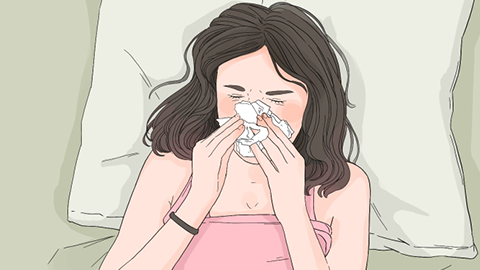
Isolation and supportive care are appropriate for patients with mild symptoms. Given the contagious nature of H7N9 avian influenza, strict isolation measures must be implemented during treatment. Patients should ensure adequate rest and sleep, maintain sufficient hydration, and consume easily digestible, nutrient-rich foods. Close monitoring of clinical progression is essential to prevent complications.
2. Antiviral Drug Therapy
Antiviral drug therapy is a standard approach for treating H7N9 avian influenza. Primary agents include neuraminidase inhibitors such as oseltamivir and zanamivir. For more severe cases, adjunctive antibiotic therapy may be required to manage or prevent secondary bacterial infections. All medications must be administered strictly under physician supervision; self-medication or inappropriate use of drugs must be avoided, as it may cause adverse effects and impede recovery.
3. Traditional Chinese Medicine (TCM) Therapy
TCM treatment for H7N9 avian influenza emphasizes syndrome differentiation and individualized treatment. Based on the patient’s specific pattern of disharmony, targeted herbal decoctions are prescribed—commonly containing herbs with heat-clearing, detoxifying, dampness-resolving, pathogen-expelling, and vital-qi–supporting properties. Complementary TCM modalities (e.g., acupuncture, cupping, or moxibustion) may be integrated into the treatment plan to enhance therapeutic efficacy.
The above outlines the principal diagnostic and treatment protocols for H7N9 avian influenza. We hope this information proves helpful to you.





