


How is septoplasty performed?
Apr 22, 2022
Source: Cainiu Health

Dr. Xu Gang
Introduction
If left untreated, a deviated nasal septum can cause significant harm to the body. The standard treatment is surgical correction, typically performed via submucosal resection of the nasal septum. In asymptomatic cases—where there is no nasal obstruction or impaired drainage—treatment is generally unnecessary. However, if one nasal cavity becomes narrowed or obstructed, prompt medical evaluation and intervention are recommended to relieve nasal obstruction and prevent inflammation of the nasal cavity and sinuses.
Nasal septal deviation is a structural deformity that, to some extent, can impair an individual’s normal daily life and work. If left untreated, it may significantly harm overall health. How is nasal septal deviation surgery performed?
How Is Nasal Septal Deviation Surgery Performed?
Untreated nasal septal deviation can cause substantial harm to the body. The standard treatment is surgical correction—typically via septoplasty (submucosal resection of the deviated septum). Asymptomatic cases or those without nasal obstruction or impaired drainage generally do not require intervention. However, if one nasal cavity becomes narrowed or obstructed, prompt medical evaluation and treatment are essential to relieve nasal obstruction and prevent secondary inflammation of the nasal cavity and sinuses.
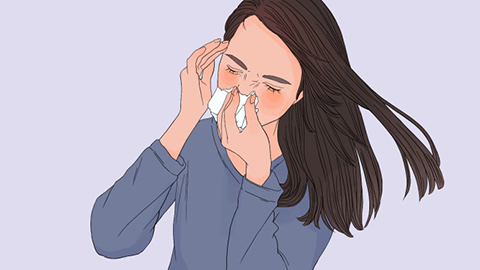
Nasal septal deviation refers to a nasal internal deformity in which the nasal septum deviates from the midline, resulting in clinically significant symptoms. Common manifestations include persistent or intermittent nasal congestion, purulent nasal discharge, dizziness, headache, and epistaxis. In daily life, nearly everyone exhibits some degree of nasal septal deviation; however, only individuals with severe deviation develop functional nasal impairment, significantly affecting their physical health.
Following nasal septal deviation surgery, patients should pay attention to dietary habits: avoid spicy and irritating foods, and instead consume more protein-rich foods such as meat, eggs, and dairy products, as well as fresh vegetables and fruits. Refrain from rubbing, pressing, or manipulating the nasal area; avoid strenuous physical activity; and attend scheduled follow-up appointments as directed by the physician. We hope this information proves helpful to you.


