


What Is Diabetes Insipidus?
Apr 22, 2022
Source: Cainiu Health

Dr. Wang Jianlong
Introduction
Diabetes insipidus (DI) is a clinical syndrome characterized by impaired renal tubular water reabsorption due to decreased renal sensitivity to arginine vasopressin, resulting from various underlying causes. Clinically, DI is classified into primary (idiopathic) and secondary forms; different types of urinary tract disorders cause distinct pathophysiological effects on the body, necessitating appropriate diagnostic tests to accurately assess the condition.
Diabetes insipidus is primarily a disorder caused by hypothalamic-pituitary neurologic pathology. This condition is relatively complex—what exactly is diabetes insipidus?
What Is Diabetes Insipidus?
Diabetes insipidus refers to a clinical syndrome characterized by impaired renal water reabsorption in the renal tubules, resulting from decreased renal sensitivity to arginine vasopressin (AVP) due to various underlying causes. Episodes of diabetes insipidus may recur; if fluid replacement is delayed or inadequate, severe dehydration can ensue, potentially leading to serious inflammatory complications. Therefore, appropriate diagnostic testing is essential to accurately assess the condition—diagnosis of diabetes insipidus cannot rely solely on self-assessment.

After developing diabetes insipidus, patients should seek evaluation at a major hospital. Although certain symptoms may provide initial clues, definitive diagnosis and accurate disease characterization depend critically on subsequent clinical assessment. Diagnostic evaluation is thus highly important. Clinically, diabetes insipidus is classified into two main types: primary (idiopathic) and secondary. Different etiologies cause distinct patterns of urinary tract involvement and varying degrees of systemic impact. Consequently, understanding potential self-monitoring approaches for patients with diabetes insipidus is valuable—however, because symptom presentation varies widely among individuals, self-assessment alone cannot fully determine the precise nature or severity of the disease.
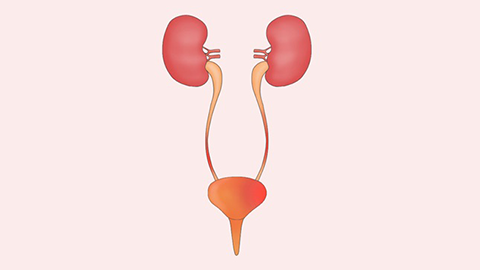
Like many diseases, diabetes insipidus often presents with early warning signs. In its initial stages, patients may experience urethral pain or pruritus. These symptoms, when interpreted in the context of the individual’s clinical profile, serve as an important step toward recognizing the condition. Moreover, dietary modifications are advisable for individuals diagnosed with diabetes insipidus. We hope this information proves helpful.







