


What to Do for Diarrhea in a 6-Month-Old Baby
Apr 24, 2022
Source: Cainiu Health

Dr. Ma Yan
Introduction
For a 6-month-old baby with diarrhea, observe the frequency and characteristics of bowel movements—specifically, how many times per day the baby has diarrhea. If the frequency is low, the stool color is not excessively green, and there is minimal watery content, you may administer probiotics for intestinal health, such as “Mi Ai Mama” (a probiotic formulation) or bifidobacterium-based medications. Additionally, if the diarrhea is more pronounced, consider adding smectite powder (e.g., Smecta®).
During growth and development, infants inevitably experience episodes of diarrhea. When this occurs, many parents feel overwhelmed and unsure how to respond. So, what should you do if your 6-month-old baby develops diarrhea?
What to Do for Diarrhea in a 6-Month-Old Baby
For a 6-month-old infant with diarrhea, closely observe the frequency and characteristics of bowel movements—specifically, how many times per day the baby passes stool. If the frequency is low (e.g., only a few times daily), the stool color is not excessively green, and there is minimal watery content, you may administer intestinal probiotics such as “Mami Ai” (a brand of probiotic preparation) or bifidobacterium-based medications. However, if diarrhea is more pronounced—such as five to six or more loose, watery stools per day—add smectite powder (e.g., Smecta®). Smectite powder exerts a potent antidiarrheal effect.
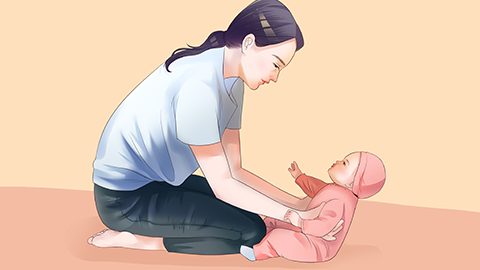
Smectite powder is suitable for infants with watery stools. Probiotics such as “Mami Ai” and bifidobacterium preparations can be administered concurrently with smectite; they are considered therapeutic agents and may be given immediately after feeding. Additionally, dietary adjustments are crucial during diarrhea. Avoid giving the baby cold or cooling foods—including raw fruits and vegetables—as these may exacerbate symptoms. Instead, in addition to regular milk feeds, offer rice water (thin rice gruel). Adding a small amount of salt to the rice water helps alleviate diarrhea and replenishes electrolytes lost through stool.
Oral rehydration salts (ORS) may also be given during diarrhea. ORS solution can be consumed like water; if diarrhea is frequent or severe, increased intake of ORS is recommended. ORS helps prevent dehydration. Please note that the above measures constitute supportive self-care strategies only. If your baby exhibits signs of significant diarrhea accompanied by markedly reduced urine output, crying without tears, dry skin, or poor skin turgor, these indicate dehydration secondary to diarrhea. We hope this information proves helpful!






