Do radiation-shielding maternity clothes work?
Apr 25, 2022
Source: Cainiu Health
Dr. Cao Ting
Introduction
Radiation-shielding garments offer a certain degree of protection; therefore, pregnant women can wear them with confidence. These garments are manufactured by weaving metal fibers together with conventional textile fibers to form fabric, which is then tailored into clothing. In essence, radiation-shielding garments incorporate a metallic mesh layer. This mesh forms a closed loop that generates an induced current when exposed to electromagnetic fields; the induced current, in turn, produces a counteracting effect that shields against electromagnetic fields. Additionally, the metal component can reflect electromagnetic waves.
“Wang Shifu” (a colloquial term for anti-radiation garments) is commonly seen in daily life—especially during pregnancy, when women must work in front of computers or in environments with potential radiation exposure and thus need to wear protective clothing to safeguard the developing fetus. But do anti-radiation maternity garments actually work?
Do Anti-Radiation Maternity Garments Work?
Anti-radiation garments do offer a certain degree of protection. Pregnant women can therefore wear them with confidence. These garments are made by weaving metallic fibers into fabric, resulting in clothing that contains an integrated metallic mesh layer. This mesh forms a conductive loop capable of generating induced currents, which in turn produce counteracting electromagnetic fields that shield against external electromagnetic fields. Additionally, metal itself can reflect electromagnetic waves. Thus, the metallic mesh effectively blocks electromagnetic radiation.
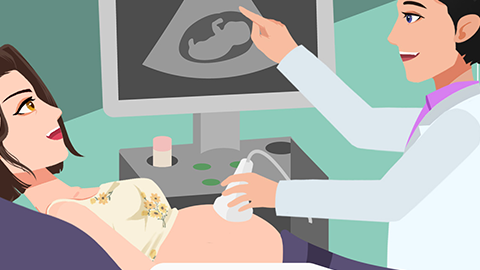
While anti-radiation maternity garments may provide some protection for the fetus, their high-density construction compromises breathability, potentially affecting fetal health. Prolonged exposure to electromagnetic radiation poses significant risks to both pregnant women and their developing fetuses. It is therefore recommended to minimize radiation exposure whenever possible and to promptly remove anti-radiation garments once entering a low- or non-radiation environment. During pregnancy, women should engage in appropriate physical activity, avoid lifting heavy objects, ensure adequate rest, and refrain from staying up late—all to support healthy fetal development.
Pregnant women should also consume ample fresh vegetables and fruits, as well as protein-rich foods, to meet increased nutritional demands. We hope this information proves helpful!