


What should I do if I swallow chewing gum?
Apr 28, 2022
Source: Cainiu Health

Dr. Guo Xiheng
Introduction
If a child swallows bubble gum or chewing gum without spitting it out, please observe the following points:
- Check whether breathing remains unobstructed.
- Observe whether the child is coughing or experiencing difficulty breathing.
If no such symptoms occur, it indicates that the gum has entered the digestive tract—not the airway—and parents need not become overly anxious.
Bubble gum is not digested or absorbed by the body. Its primary ingredient is gum base (a type of resin), which passes through the digestive system unchanged.
Chewing gum is a relatively common snack, and many children enjoy eating it. But what should you do if a child accidentally swallows chewing gum?
What to Do If Chewing Gum Is Swallowed
If a child eats chewing gum—or any gum—and swallows it instead of spitting it out, parents should pay attention to the following points: • Observe whether the child’s breathing remains unobstructed. • Watch for signs of choking or respiratory distress. If no such symptoms occur, it indicates that the gum has entered the digestive tract rather than the airway, and parents need not become overly anxious. Chewing gum is not digested or absorbed by the body. Its primary ingredient is gum base (a type of synthetic or natural rubber), which passes through the digestive system intact. Typically, within 1–2 days, the gum travels through the intestines and is excreted naturally in the stool. Chewing gum does not damage the intestinal wall. Because it is soft and pliable, it cannot injure or puncture a child’s intestinal lining. Moreover, the digestive tract secretes abundant mucus, which envelops the gum and facilitates its gradual elimination with feces.
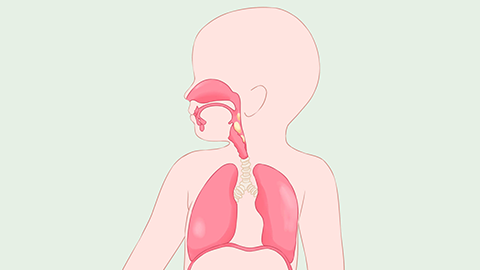
Chewing gum is non-toxic. Nevertheless, the gum base itself provides no nutritional value—it functions solely as a binding agent and is not intended for ingestion. If a child accidentally swallows gum, encourage them to drink plenty of warm water over the next 24 hours, avoid greasy foods, and consume more fiber-rich fresh vegetables and fruits to support normal gastrointestinal function—thereby helping ensure the gum passes naturally along with other digestive residues.
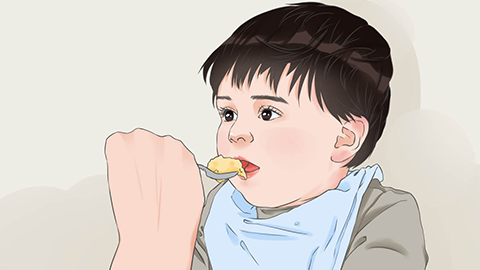
Parents should endeavor to prevent children from chewing gum altogether, to minimize the risk of accidental inhalation into the airway or ingestion into the digestive tract. Should severe symptoms arise—for example, persistent coughing, wheezing, difficulty breathing, or abdominal pain—immediate medical attention is required, and healthcare professionals may need to intervene with appropriate procedures to remove the gum. We hope this information proves helpful!





