The Best Method to Detoxify the Body
Apr 28, 2022
Source: Cainiu Health

Dr. Pan Yongyuan
Introduction
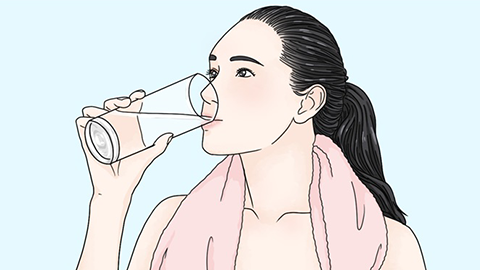
The best way to eliminate toxins from the body is through dietary regulation. Patients should drink plenty of plain boiled water and alkaline water, which helps flush out excess toxins. Consuming fresh green vegetables—such as spinach, celery, and other high-fiber foods—regularly can reduce constipation and support detoxification. Patients are also encouraged to drink lemon water frequently.
Toxins accumulating within the body pose significant health risks. When detoxification is impaired, blood circulation becomes sluggish, leading to various physical discomforts in patients. What is the most effective method for eliminating internal toxins?
The Most Effective Method for Eliminating Internal Toxins
Dietary regulation is the most effective approach to eliminate internal toxins. Patients should drink ample plain water and alkaline water, which helps flush out excess toxins from the body. Consuming fresh green vegetables—such as spinach, celery, and other high-fiber foods—regularly promotes healthy digestion and reduces constipation, thereby facilitating detoxification. Additionally, drinking lemon water and consuming fruits such as bananas, apples, and pineapples supports toxin elimination and contributes to overall health.
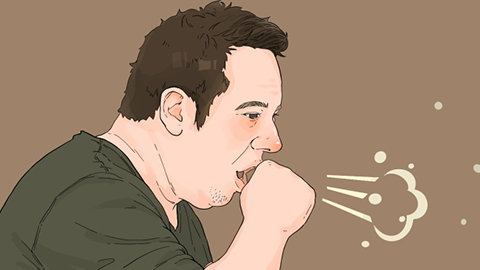
Excessive accumulation of internal toxins can manifest across multiple organ systems—including the digestive, respiratory, nervous, and endocrine systems. Common digestive symptoms include nausea, vomiting, abdominal distension, aversion to greasy foods, acid reflux, and heartburn—indicative of impaired digestion and absorption. In severe cases, patients may experience loose stools or watery diarrhea. Respiratory manifestations may also occur, as excessive toxin buildup compromises the mucosal barrier and immune defenses of the respiratory tract, increasing susceptibility to colds and respiratory infections. Clinical symptoms may include dryness and soreness of the throat, cough, sputum production, and wheezing. Neurological symptoms may include insomnia, vivid dreams, anxiety, and memory impairment.
If symptoms related to toxin accumulation become severe, patients should promptly seek medical evaluation at a hospital. A qualified physician will conduct a thorough assessment and diagnosis, followed by appropriate treatment. We hope this information proves helpful to you.