


What medication should be given to a baby who frequently sweats excessively (spontaneous sweating)?
Apr 29, 2022
Source: Cainiu Health

Dr. Xie Zixing
Introduction
For children experiencing spontaneous sweating (a TCM concept indicating deficiency), the first step is to identify the underlying cause, followed by targeted treatment. If the spontaneous sweating results from Qi deficiency leading to a deficient-cold pattern, Huangqi Oral Liquid may be administered under a physician’s guidance. In such cases, children often present with symptoms like common cold, fatigue, and cough; thus, Huangqi Oral Liquid—known for strengthening the Spleen and tonifying Qi—may be appropriate. Additionally, Longmu Zhuanggu Granules may also be considered for the child.
In daily life, some infants and young children tend to experience spontaneous sweating (also known as “deficiency sweating”). This condition often causes anxiety among caregivers, who worry it may adversely affect the child’s growth and development. So, what medications can be given to a child who frequently experiences spontaneous sweating?
What Medications Can Be Given to a Child Who Frequently Experiences Spontaneous Sweating?
First, it is essential to identify the underlying cause of the spontaneous sweating before initiating targeted treatment. If the sweating results from Qi deficiency—leading to a state of “deficiency-cold”—the child may be prescribed Huangqi Oral Liquid under medical supervision. Children with Qi deficiency often present additional symptoms such as common cold, fatigue, and coughing; Huangqi Oral Liquid helps strengthen the spleen and replenish Qi. Another option is Longmu Zhuanggu Granules, particularly suitable for children under three years of age.
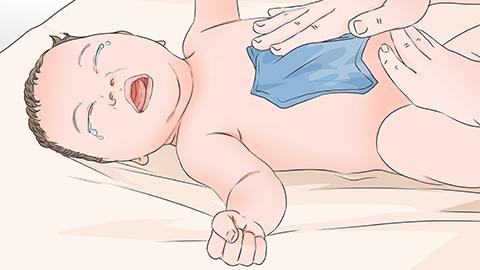
There are numerous potential causes of spontaneous sweating in children, including both physiological and pathological factors. Physiological causes include overeating before bedtime, leading to increased sweating during sleep. Pathological causes may involve picky eating habits resulting in nutritional deficiencies, insufficient outdoor physical activity, or weakened spleen-stomach function.
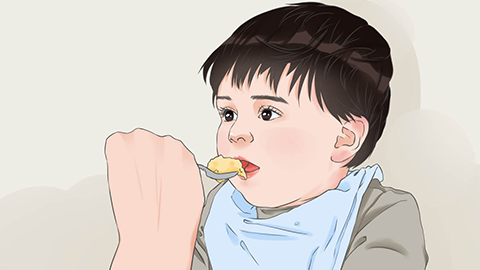
In addition to administering medications that support gastrointestinal and renal function, parents should also adjust their child’s diet—for example, offering easily digestible foods rich in trace elements. When weather permits, parents should encourage regular outdoor activities to help improve the child’s overall physical fitness. Furthermore, establishing healthy daily routines for the child is equally important.



