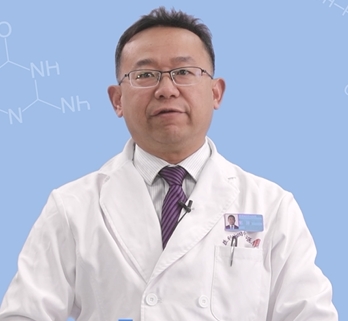
Which antiallergic medication is currently considered the most effective?
May 04, 2022
Source: Cainiu Health

Dr. Liu Wan
Introduction
There is no definitive clinical consensus; the most suitable treatment for the patient is the best choice. Antiallergic drugs include first-generation and second-generation antihistamines. Most first-generation agents have pronounced sedative effects and superior antipruritic (anti-itch) activity. If pruritus is prominent in the skin lesions, first-generation antihistamines are recommended. It is advised to take medications correctly under a physician’s guidance.
Allergies are unavoidable in daily life. So, which antiallergic medication is currently considered the best?
Which antiallergic medication is currently considered the best?
Clinically, there is no definitive answer—“the best” medication is the one most suitable for the individual patient. Antiallergic drugs fall into two main categories: first-generation and second-generation antihistamines. Most first-generation agents exert pronounced sedative effects and provide superior pruritus relief. Thus, if prominent skin lesions with intense itching are present, first-generation antihistamines are generally recommended. Second-generation agents possess stronger anti-inflammatory properties, poorly cross the blood–brain barrier, lack anticholinergic effects, exhibit high bioavailability, and are convenient to use. Common first-generation antihistamines include promethazine, diphenhydramine, cyproheptadine, and chlorpheniramine. Second-generation antihistamines include loratadine, cetirizine, and fexofenadine. It is strongly recommended that patients take these medications only under the guidance of a qualified physician.

For example, in urticaria, clinical manifestations vary significantly among individuals. In mild cases, H1 receptor antagonists—particularly second-generation antihistamines such as cetirizine—are typically sufficient, often achieving adequate control with monotherapy. In more severe cases characterized by intense pruritus, combining a first-generation antihistamine (e.g., ketotifen) with a second-generation agent like cetirizine usually yields optimal therapeutic outcomes. However, if gastrointestinal symptoms—such as abdominal pain—are also present, adding an H2 receptor antagonist (e.g., cimetidine) may further enhance treatment efficacy.

We hope this response has been helpful. Wishing you a joyful life and good health!