


What are the common topical anti-allergy medications for the skin?
Apr 26, 2022
Source: Cainiu Health

Dr. Liu Wan
Introduction
There are numerous anti-allergic medications targeting the skin. Clinically, oral antihistamines are the most commonly used anti-allergic drugs. First-generation antihistamines include chlorpheniramine, cyproheptadine, promethazine, ketotifen, and diphenhydramine, among others. These agents are generally short-acting anti-allergics. Common adverse effects include drowsiness, dizziness, dry mouth, blurred vision, constipation, and urinary difficulty.
During spring, many people experience skin allergies. Skin allergies often cause intense itching, a discomfort so severe that it leaves individuals restless and significantly impairs their daily life and work performance. So, what medications are available for treating skin allergies?
What Medications Are Used to Treat Skin Allergies?
Numerous anti-allergic medications target the skin. Clinically, oral antihistamines are the most commonly prescribed systemic anti-allergy drugs. First-generation antihistamines include chlorpheniramine, cyproheptadine, promethazine, ketotifen, and diphenhydramine. These agents are generally short-acting anti-allergy drugs. Common side effects include drowsiness, dizziness, dry mouth, blurred vision, constipation, and urinary difficulty.
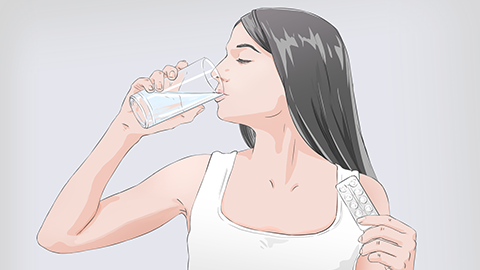
Common second-generation antihistamines include loratadine, cetirizine, mizolastine, ebastine, and desloratadine. These are long-acting anti-allergy medications, typically requiring only once-daily oral dosing. They exhibit minimal central nervous system sedative effects and have relatively mild side effects, making them widely used in clinical practice. Oral glucocorticoids may also be employed for acute allergic reactions; however, prolonged use of glucocorticoids carries numerous adverse effects. Topical anti-allergy medications commonly used include calamine lotion and glucocorticoid creams.
During seasonal transitions, airborne dust levels increase, necessitating heightened attention to skincare. Daily facial cleansing should be thorough, followed by application of lightweight, hydrating skincare products. We hope this information proves helpful!



