


Can people with high blood sugar eat sweet potatoes?
May 06, 2022
Source: Cainiu Health

Dr. Pan Yongyuan
Introduction
Dietary guidance for patients with diabetes emphasizes eating smaller portions more frequently—there is no food that is absolutely forbidden, and sweet potatoes are permissible. However, it is important to note that sweet potatoes are rich in starch and should therefore be classified as a staple food, equivalent to rice or noodles. The total amount of all staple foods consumed in a single meal should not exceed 100 grams. Thus, when eating sweet potatoes, portion control is essential.
In daily life, many people with elevated blood glucose levels experience anxiety and confusion about dietary restrictions—uncertain about which foods are safe to consume and which to avoid. Sweet potatoes are a commonly used ingredient; thus, a frequent question arises: Can individuals with high blood glucose eat sweet potatoes?
Can individuals with high blood glucose eat sweet potatoes?
The fundamental principle guiding dietary management for people with diabetes is “eat smaller portions more frequently”—there is no food that is absolutely forbidden, and sweet potatoes are permissible. However, it is important to recognize that sweet potatoes are rich in starch and therefore should be classified as a staple food, equivalent to rice, noodles, or steamed buns. The total amount of all staple foods consumed in a single meal should not exceed 100 grams. Consequently, when eating sweet potatoes, portion control is essential—intake must be carefully monitored at each meal.
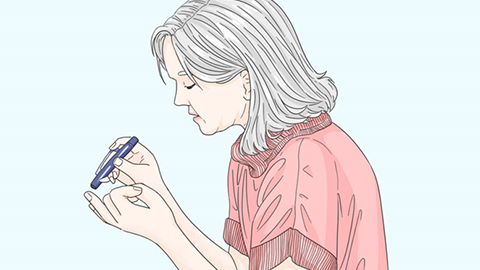
Elevated blood glucose often results from habitual consumption of high-sugar foods. If left unmanaged, persistently high blood glucose levels may progress to diabetes. Dietary control is therefore the first-line intervention: adopt a pattern of eating smaller, more frequent meals throughout the day; avoid foods high in fat and cholesterol; and increase intake of fruits and vegetables. Beneficial options include lotus root, potatoes, tomatoes, cucumbers, and grapefruit—all of which may help lower blood glucose levels. In addition, insulin therapy may be prescribed when clinically indicated. Regular physical activity is also crucial for weight management and overall health maintenance.

Individuals with elevated blood glucose should pay close attention to their everyday eating habits and minimize intake of highly sweetened foods—especially those containing excessive sucrose—as such dietary patterns may adversely affect health. We hope this information proves helpful!


