


Can people with high blood sugar eat sweet potatoes?
May 06, 2022
Source: Cainiu Health

Dr. Pan Yongyuan
Introduction
High blood sugar is not caused by sweet potatoes. In the dietary plan for individuals with diabetes, a comprehensive and balanced diet is emphasized—one that provides adequate and proportionate intake of protein, fat, and carbohydrates. Relying exclusively on a single food item, or consuming excessive amounts of one particular food, is inappropriate—not only for people with diabetes but also for healthy individuals. Sweet potatoes, classified as a whole grain and coarse cereal, are encouraged as part of a healthy diet.
In daily life, sweet potatoes can serve as a staple food suitable for people of all ages. They have a soft, glutinous, and pleasantly sweet texture and can also be processed into snacks such as dried sweet potato slices. But can individuals with high blood glucose consume sweet potatoes?
Can individuals with high blood glucose eat sweet potatoes?
Yes, individuals with elevated blood glucose levels—including those with diabetes—can consume sweet potatoes. Diabetic meal planning emphasizes a balanced, comprehensive diet that provides adequate and proportionate nutrition, including appropriate amounts of protein, fat, and carbohydrates. Relying excessively on any single food item is inappropriate—not only for people with diabetes but also for healthy individuals. As a whole grain and coarse cereal, sweet potatoes are generally encouraged in the diet. People with diabetes may consume them, but they must be counted within the daily allowance for staple foods (i.e., carbohydrate-rich foods). Similarly, potatoes and vermicelli also belong to the starch category and are classified as carbohydrate sources. Therefore, if a person with diabetes consumes sweet potatoes, their intake of other staple foods (e.g., rice, wheat-based products) should be correspondingly reduced.
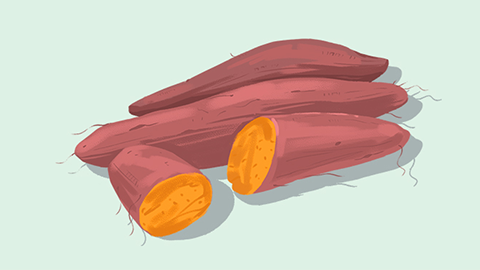
Some patients also ask whether they can eat watermelon or other fruits. These foods are also carbohydrate sources—and carbohydrates constitute one of the three major macronutrients essential for human nutrition. They may be consumed, but again, intake of other staple foods must be adjusted downward accordingly. Additionally, sweet potatoes promote cholesterol excretion and help prevent atherosclerosis, thereby reducing the risk of cardiovascular and cerebrovascular diseases. However, individuals with excessive gastric acid secretion, gastric ulcers, or known food allergies should avoid consuming sweet potatoes.

Individuals with high blood glucose are encouraged to increase consumption of coarse cereals and vegetables. We hope this information proves helpful!


